People love games. Games of all types. Board games, card games, video games, sports. People are drawn to them, they engage with them, for some people these games take over their lives.
The most modern addition to the pantheon (though 40 years old) is the video game. This has spawned a multi-billion pound/dollar industry. The holy grail of which is to create a game series with a new edition every year that will fly off the proverbial shelves. This product requires regular updates and evolution with the occasional “major update” to keep the product fresh.
FIFA International Soccer launched in 1993. The game is still going strong with no signs of slowing down. FIFA has had rivals through the years, with PES at certain times overtaking FIFA in popularity, but FIFA responded with updates and upgrades to eventually reclaim its position as the leader of the pack.
1993 – Fictional player names.
1996 – Real player names and licenses.
1997 – Indoor mode. Dropped in 1999.
2000 – Career mode
2005 – FIFA Street
2008 – Be A PRO
2009 – Online and Ultimate Team
2014 – FUT Legends/Icons
2017 – THE JOURNEY – A further career mode
FIFA the video game has changed many times. How many times has football changed?
How many times has it evolved in 150 years?
The villages of England competed in an aggressive massed scrum, somewhere within a ball was buried. One set of players attempted to transport the ball through a target, while the other set of players aimed for another target. Both hands and feet could touch the ball as there appear not to have been any real rules to speak of.
At least, that is where it started for the green and pleasant land situated between the Atlantic Ocean and the North Sea.
There is evidence of games that involve the striking of a ball (or round object) in China (put the ball in a small net), Japan (stand in a circle and keep the ball in the air), and ancient Greece (two teams on a rectangular pitch with end boundaries as the target). It is believed to be this Greek game that was brought to Britain by the Romans. Something else that they did for us.
In 1863 rugby and football diverged. The FA formed in 1863, with the laws formalising and the game continuing to evolve.
1891 – Goal nets and penalties were introduced.
1925 – The offside law changed.
1939 – Numbers became compulsory.
1951 – White ball used
1965 – Substitution allowed for injured players
1966 – Substitution allowed for any reason
1992 – Back pass rule introduced
2014 – Goal line technology introduced
2016 – Kick off law changed
2018 – Video assistant referee written into the laws of the game
2019 – Goal kick law changed
There have been many recent changes, but these have generally been cosmetic, or designed to help reinforce existing laws of the game.
Have the adaptations to the game changed the way the game is played or have those playing/managing made more significant changes?
One change in the offside law led to Herbert Chapman effectively deploying the W-M formation and dominating English football. Jurgen Klopp and Liverpool are embracing VAR to further squeeze and condense play into areas where they want to play in the knowledge that offside has become even tighter. Coaches have talked about the size of the playing area being adjustable due to the offside law. Additionally use of a sweeper keeper helps control the space behind the team, arguably this only truly became common place after the change to the back pass laws which encouraged goalkeepers to become more proficient with the ball at their feet, rather than just keeping the ball out of the net. Presently the laws on goal kicks have evolved, we are awaiting any significant tactical impact this may have (should there be any at all).
Such significant changes have been relatively few and far between in the 150 year history of football. It is arguable that despite the tactical advances that have been brought about by law changes the game is largely the same. The differences we see have generally come about due to the tactical arms race. Though perhaps the most significant change involves the law regards tackling from behind and the introduction of a straight red card, allowing technical and skilful players to flourish. Thus if we are to observe a game from the mid ‘90s compared to the late 2010s we will see a wider variety of body types. No longer is football the game dominated by brute strength, though we are all aware of exceptional footballers of smaller stature in the past they tended to be backed up by powerful team mates, we would not see a team of largely smaller players as we have at Barcelona and other clubs in the past decade.
Key features of football have not really changed. The size and shape of the field, the number of players per team, the duration of the fixture, none of these have altered. There have been discussions regards quarters, time outs and stop clocks but these do not come to fruition. Football is fundamentally the same game, with adjustments made from time to time.
Despite the lack of any real changes the popularity of football remains unquestionable. Globally popular and capable of attracting millions of television viewers. Tens of thousands attend games around the world. The associated products such as video games are hungrily purchased. Football in its current form is booming.
Change can be a recipe for disaster. The story of Coca-Cola is legendary. It is 1985 and the executives at Coca-Cola decide that being the most recognisable drinks brand in the world is not enough. Blind taste tests were indicating a preference for their biggest rival Pepsi. It was time to make the big change.
Coca-Cola was to have a new recipe.
The backlash to this change was massive.
The company received 40,000 plus calls and letters complaining about the changes. The company hotline received over 1,500 calls a day. Prior to the change they only received around 400. Coke was ridiculed on late night TV shows. Fidel Castro called New Coke a sign of American capitalist decadence. Pepsi leaped all over the opportunity running an advert in which a first time Pepsi drinker exclaimed “Now I know why Coke did it!” Eventually Coca-Cola announced the return of the old flavour with Classic Coke and New Coke existing side by side until New Coke was eventually fazed out. A huge amount of money was wasted.
It is quite possible that New Coke actually tasted better. That the change did create a better drink, but people did not care. People who received the calls on the 1-800-GET-COKE hotline stated that those calling in sounded like they had lost a loved one. The thing that changed was not the problem. The problem was change itself.
We see this whenever changes to football are suggested. Every few years changes to the format are suggested and the effect is that of the proverbial lead balloon. The format of 11v11 is deeply ingrained. From child hood this is what people see on the television, in the park and in the stadiums. Children develop a thirst for the “big game” and can play it through a combination of X, O, triangle etc.
Then they actually play football in the flesh.
For young children to play 11v11 is deeply unsuitable. The Football Association and other organisers recognise this and have set out an array of formats for younger players. Asking players below the age of 13 (and some would argue below the age of 15) to play on a full size pitch with full size goals creates a vast number of physical issues. Add to these issues the ball to player ratio of 1:22 and the number of touches that a player receives will be limited to the point of being almost useless. Finally and most importantly, children will not enjoy themselves. A few will. A few more developed children will enjoy the game but if we are lucky eight of the twenty two will enjoy it. At the deep expense of the other fourteen, who may never want to touch a ball again in their lives.
Fortunately smaller forms of football have become more prominent in recent times with the introduction of 5v5, 7v7 and 9v9 as a path into 11v11. Along with this we have a push for small sided games at practice in an attempt to maximise the number of actions a single player will have to take within their allotted time. The endeavour is there for children to not just be present at their game but to be deeply involved. They want to play. They don’t come to a session to watch.
How much of what is recognisable as a football pitch do we require? If 11v11 is not suitable, how big do we need to make the game area? How much of the game area do they need in order to play?
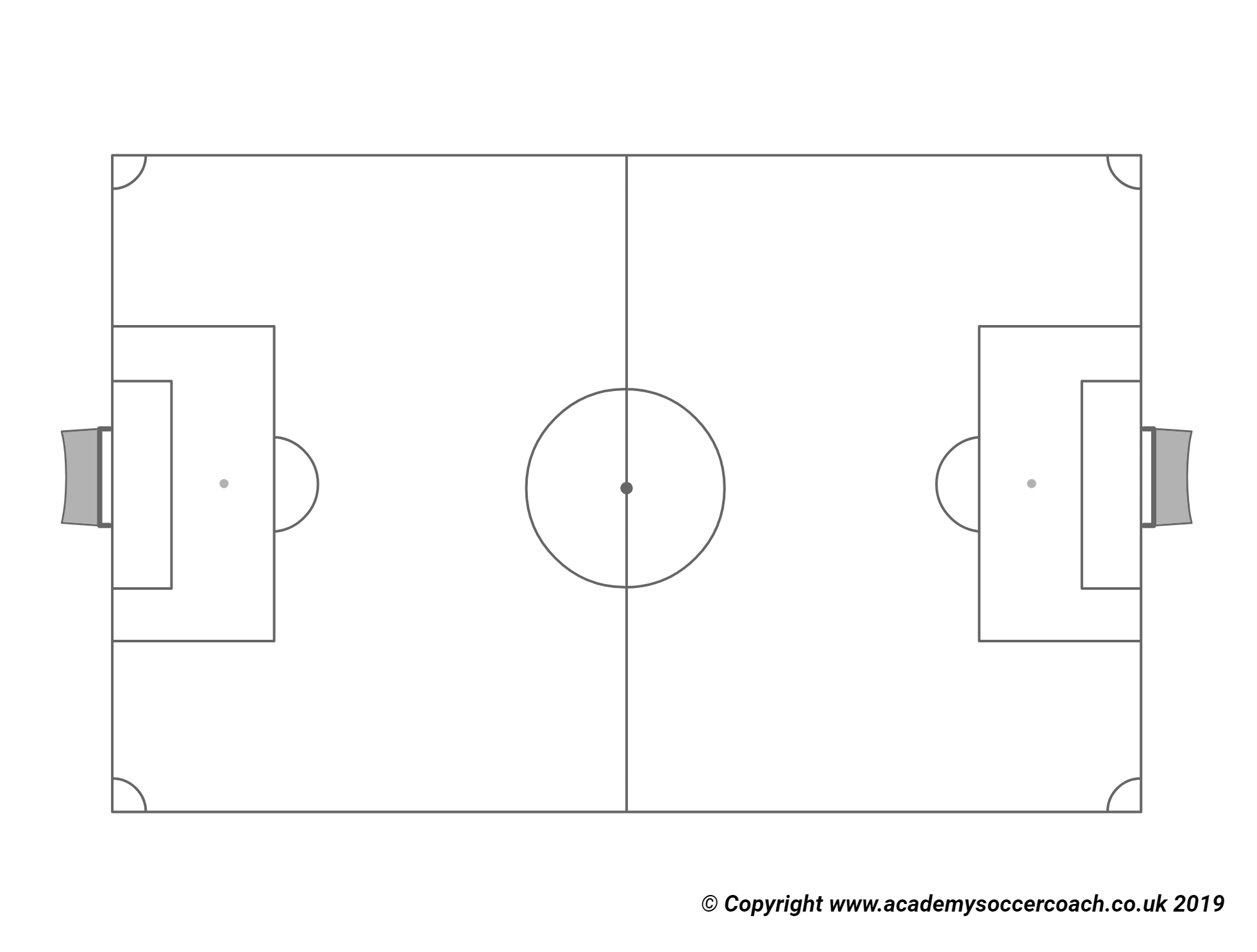
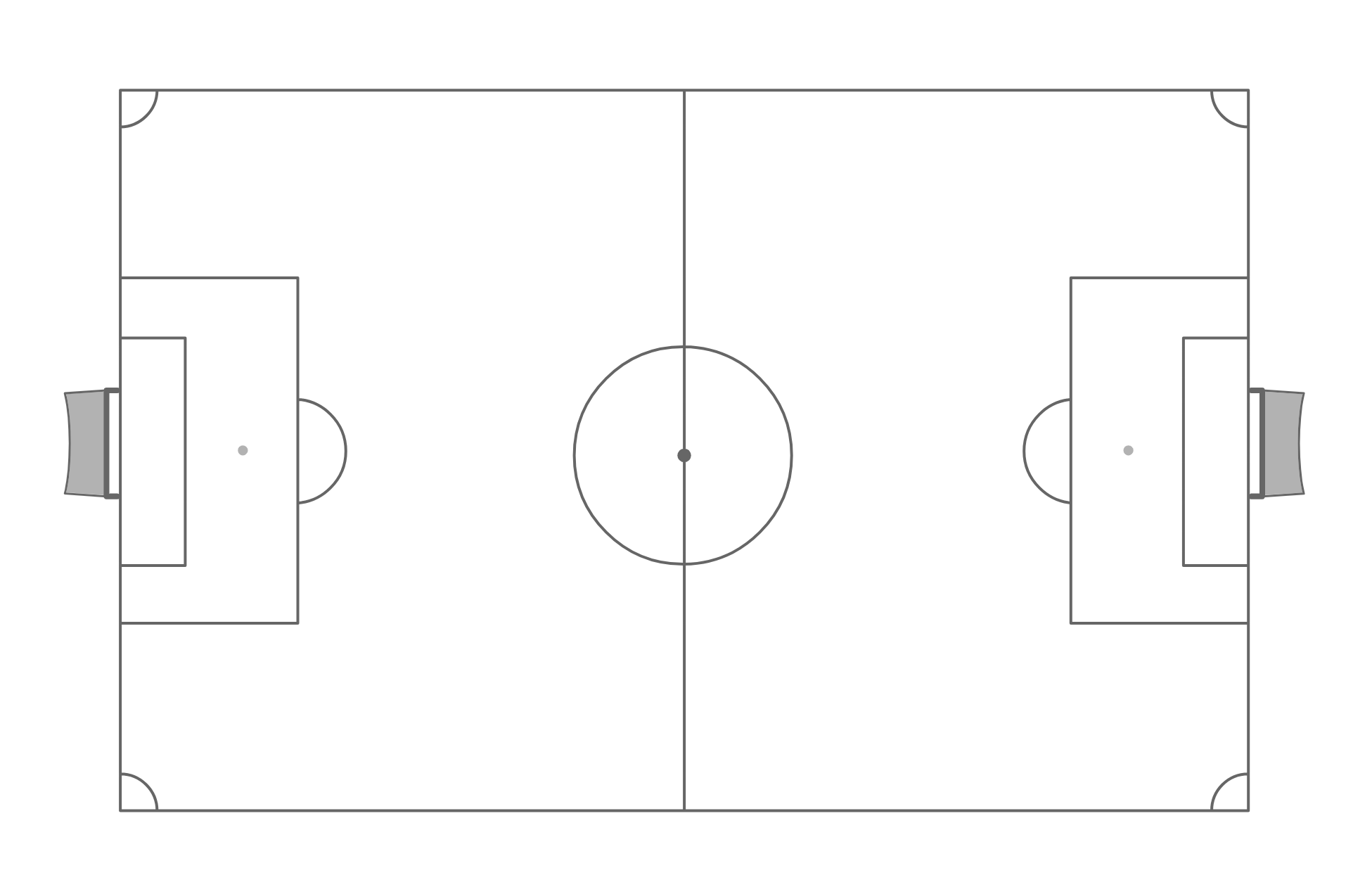

A small sided format may only require a ball and a goal. Or goals.
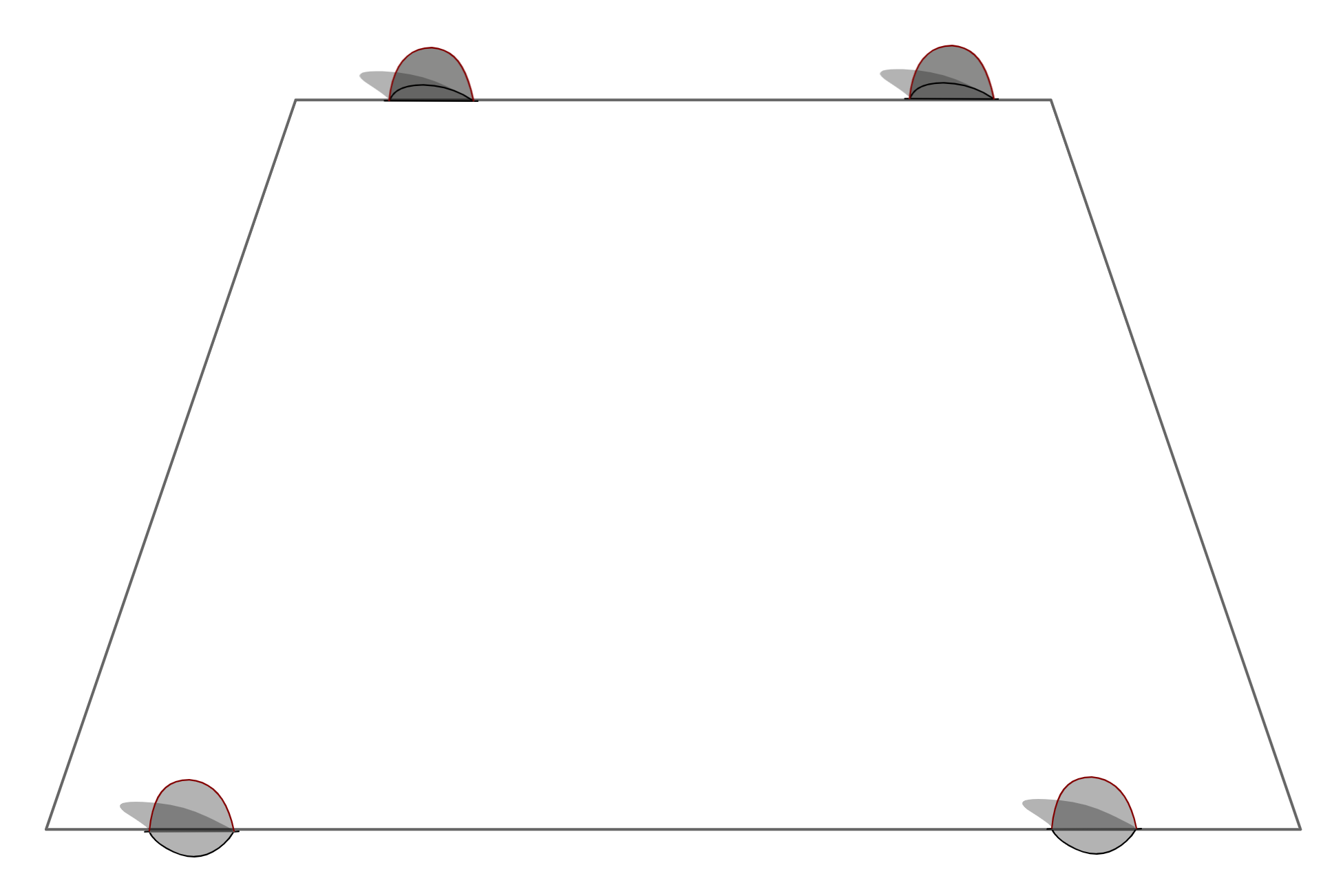
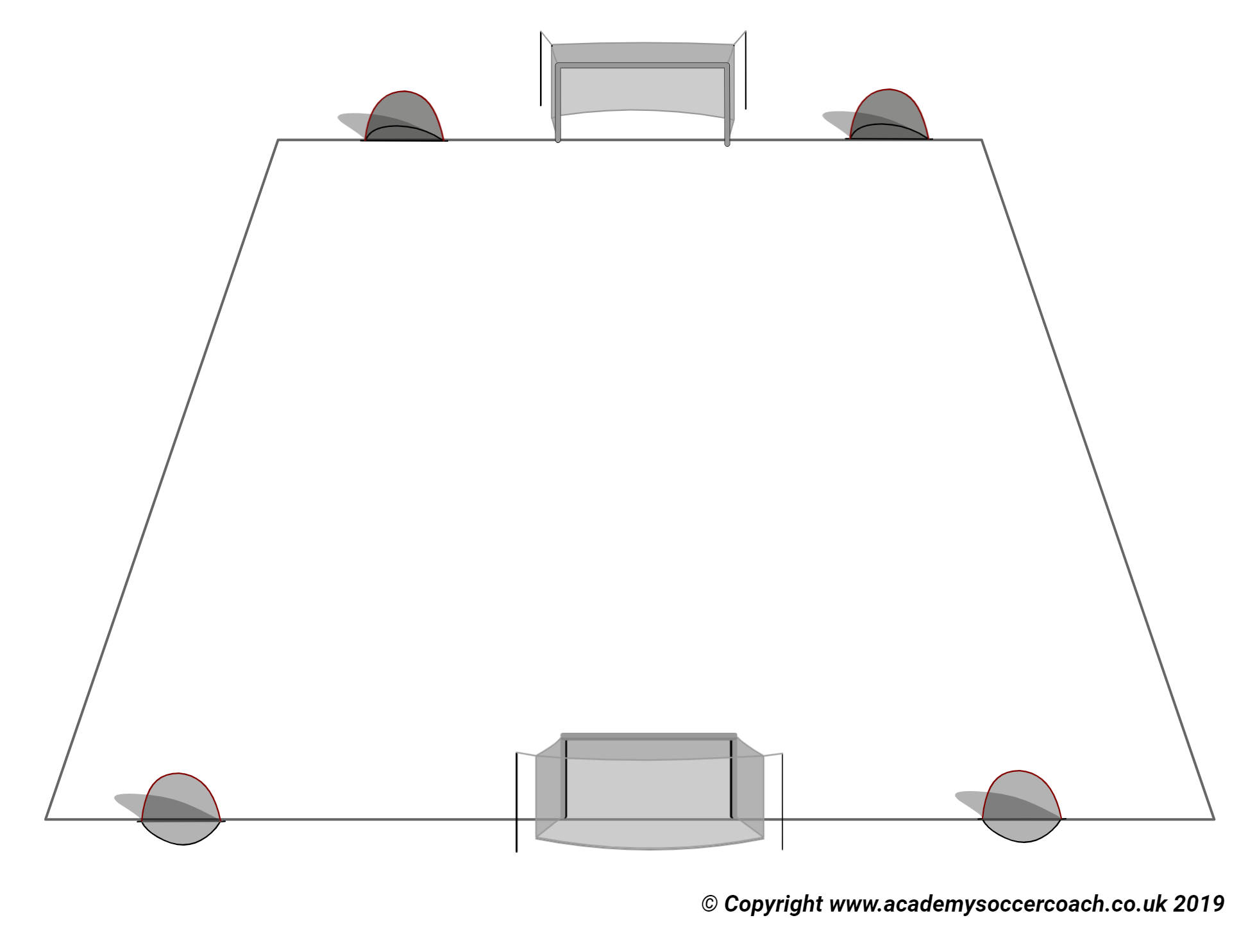
With children being exposed to smaller and alternative forms of the game in their formative footballing years it is worth questioning whether this will remain the version of the sport they want to play? They may still have a strong attachment to 11v11 but it may not be their exclusive desire. At practice they will be exposed to 1v1, 2v2, 3v3 (or even 1v2 and 2v3) with their 5v5 on match day. The foundation phase DNA of the Football Association has futsal stitched into it’s values, another small sided format. FIFA now includes a Volta mode, small sided indoor football with many similarities to futsal. In time the grip of 11v11 could be eroded.
As could the grip of 5v5.
There are two dominant formats in England, 5v5 and 11v11. It has been noted that for adults 11v11 is in decline outside of the upper echelons. Far more adults participate in 5-a-side leagues at Goals, Power League and the multitude of others happy to host you. Therefore, at the adult end of the scale and the child end of the scale we have 5v5 dominating.
Yet with 5v5 players can still be limited in the number of touches and actions they receive as individuals. For yet more engagement and action we can look smaller still, as they have in Belgium and are moving towards in Germany.
2v2 FORMAT – Belgian football has experienced an extraordinary rise in the past decade. Just over a decade ago the format for the very youngest players was overhauled. Players play a form of 2v2 which can shift into 2v1+GK, giving players opportunities to utilise core skills with high levels of repetition while including a great deal of decision making for all players involved.
3v3 FORMAT – In 2019 it has been reasonably well publicised that the German federation are keen to institute a version of 3v3 football at junior level. Horst Wein developed Funinho over 25 years ago. Like Belgian 2v2, the model places a high emphasis on the number of touches per player and decision making. In Norway huge 3v3 tournaments take place across the country. Similar events are also taking place in England, with increasing levels of publicity.
Based on these models and my own research the future for our young footballers could look a little like this.
Under 6 and under 7.
2v2
Three versions of 2v2 will be available to the participants. Within the 20 minute game (or half) each player will have “their” five minutes. During this time they can choose the version they want to play. Hopefully by giving players their choice they will be able to take a little more ownership and adapt the game to their individual need within that time period.
Version 1
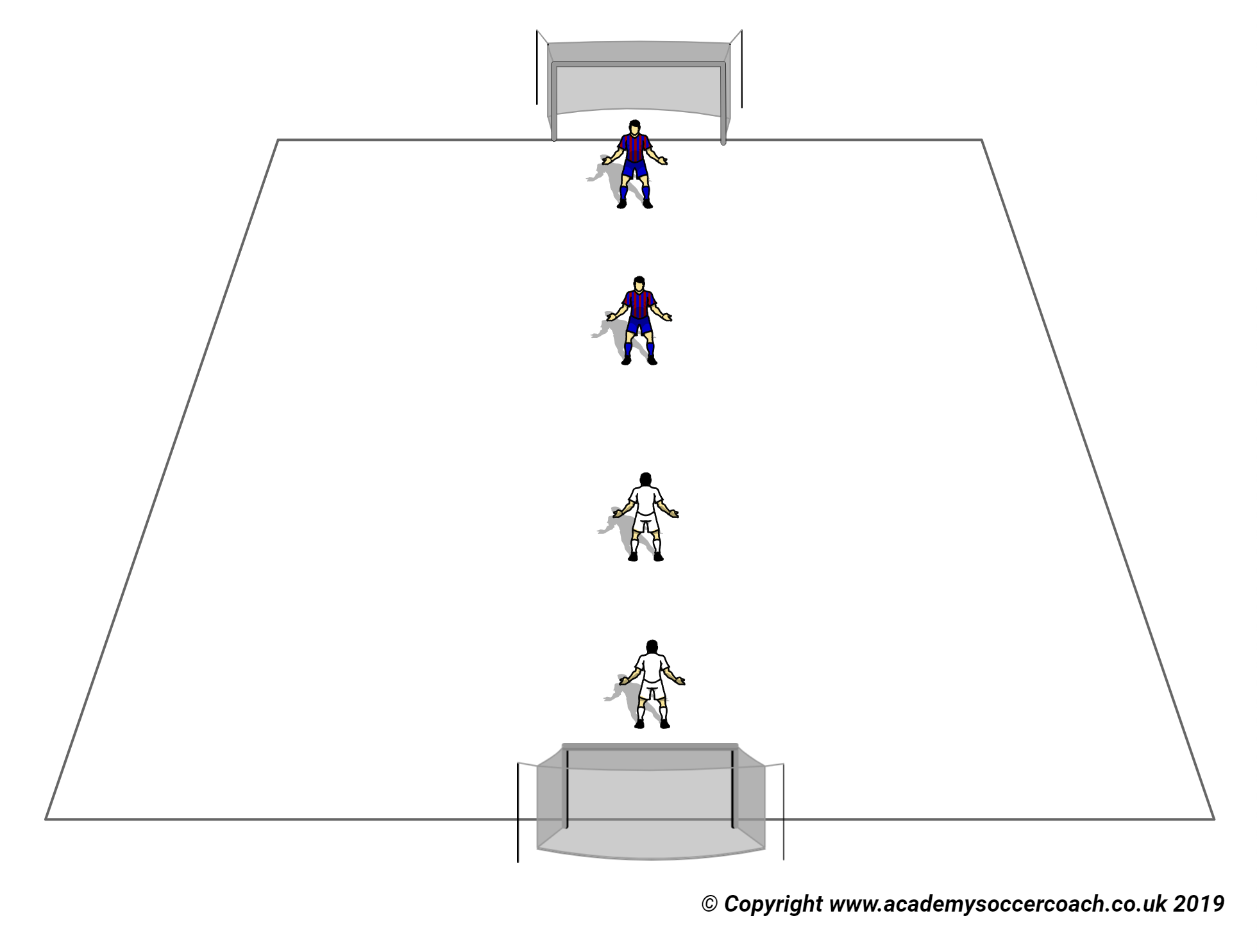
A straight 2v2 game, with players allowed to move anywhere at any time. One player would be required to be goalkeeper (or an outfield player with the ability to save with their hands).
Version 2
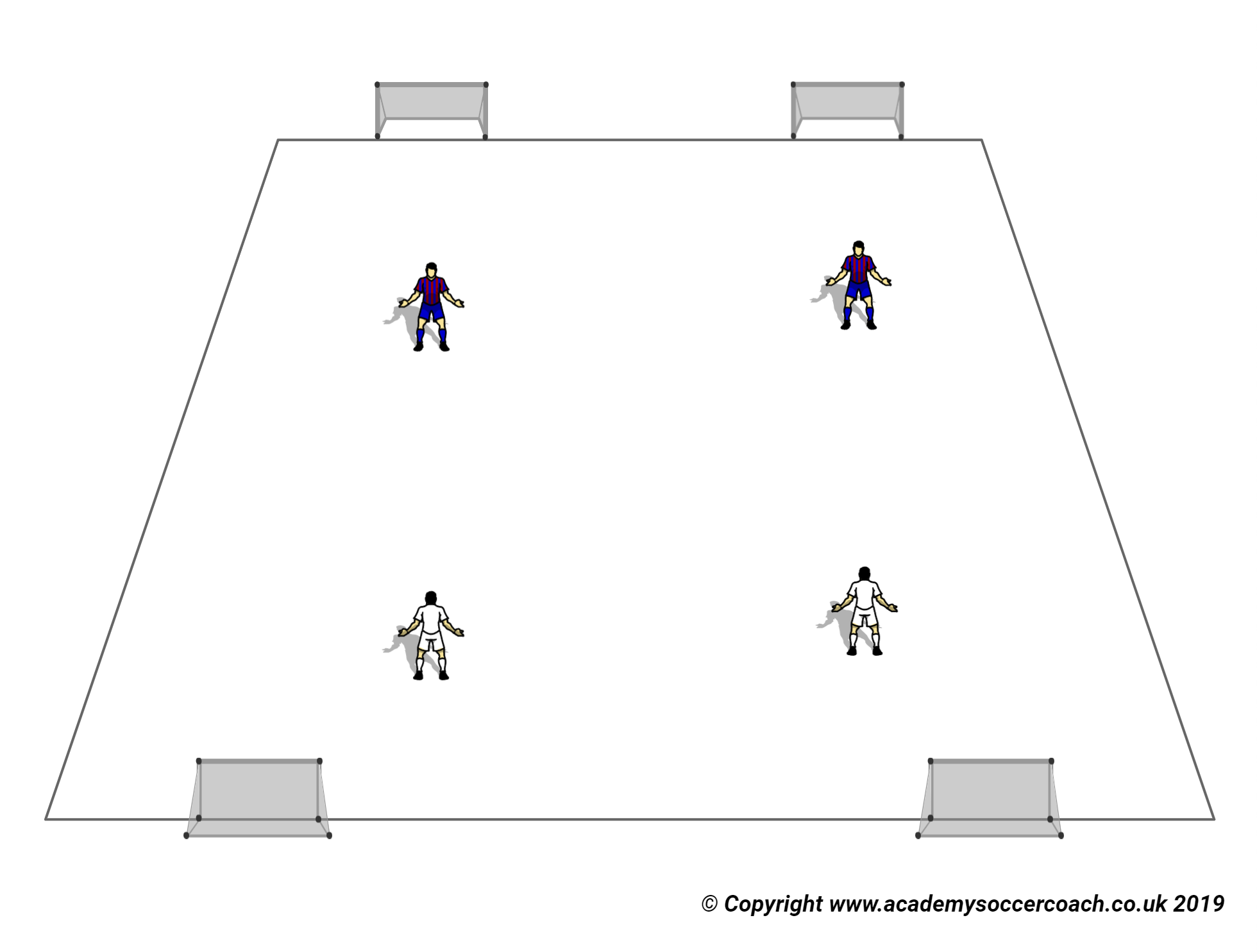
A 2v2 game with two goals at each end. All players are able to move anywhere. No players are able to use their hands.
Version 3
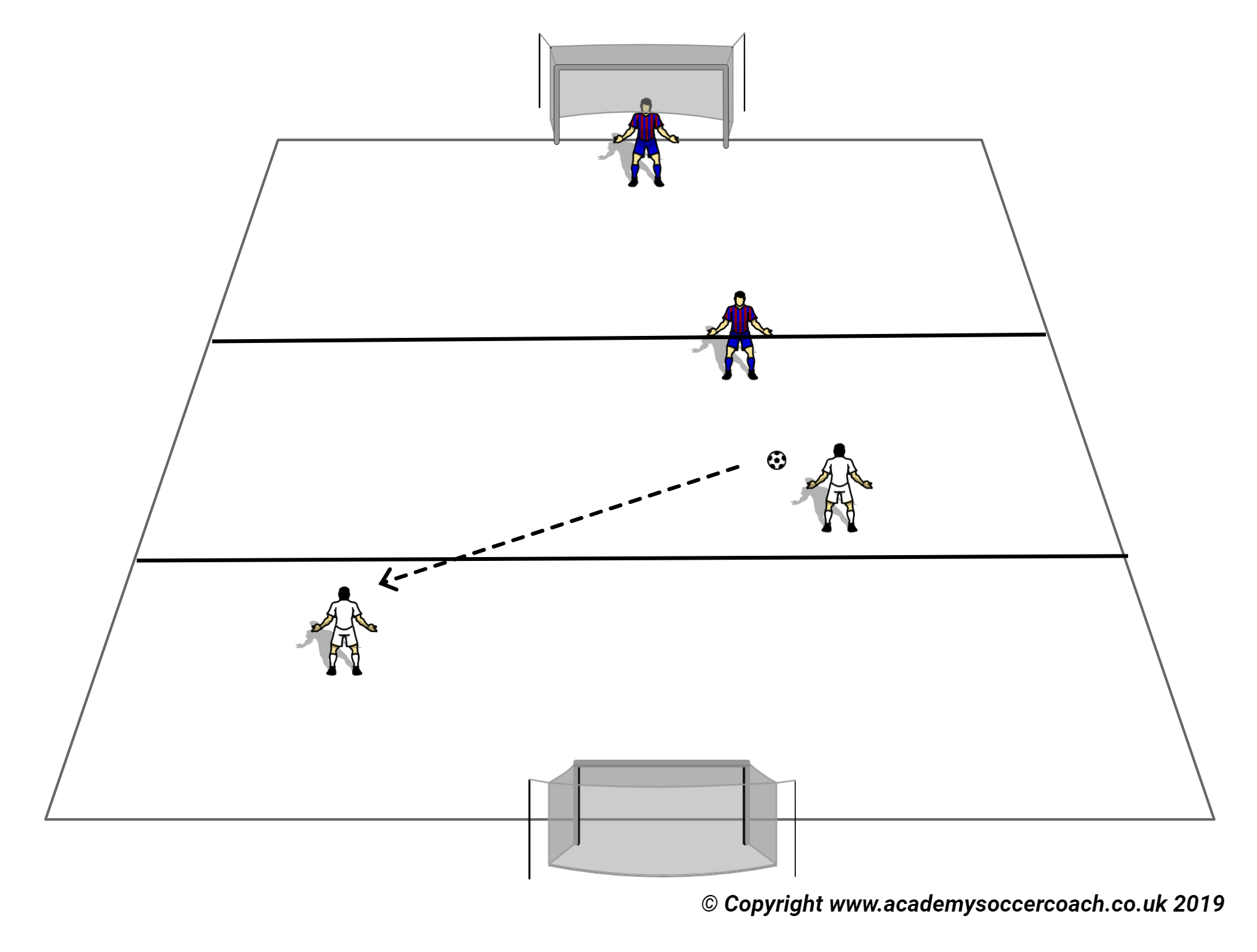
When attacking (in possession) players are able to move anywhere. When defending (out of possession) one player only can occupy the final third and/or central zone (creating a 1v1 or 2v1) and one player only can occupy the defensive area/goalkeeper zone (also creating a 1v1 or 2v1).
Under 8 and under 9
3v3
As with 2v2 there are three versions of 3v3 on offer to the players in order to offer them a choice.
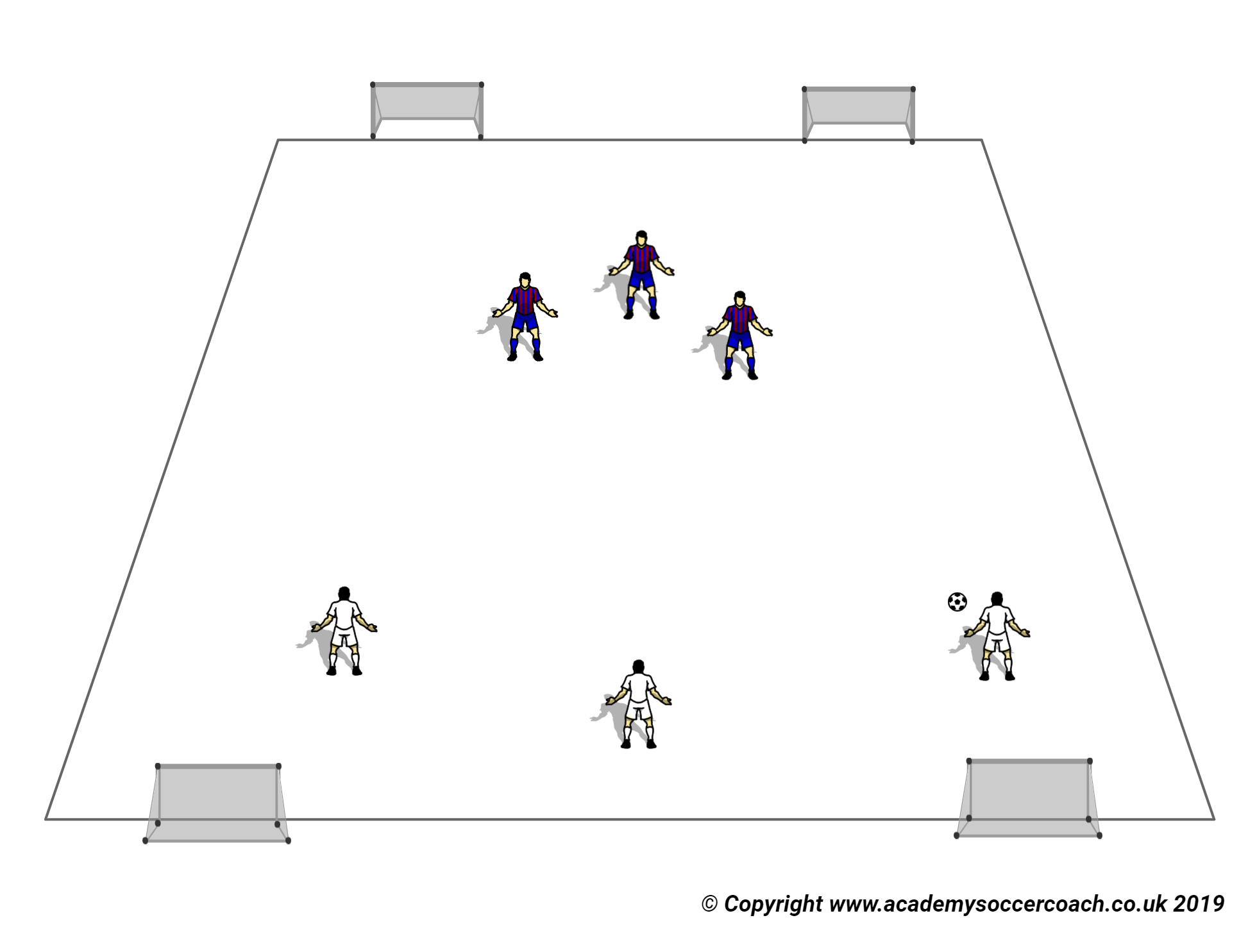
A 3v3 game with two goals at each end. Players are able to move anywhere but no player may use their hands.
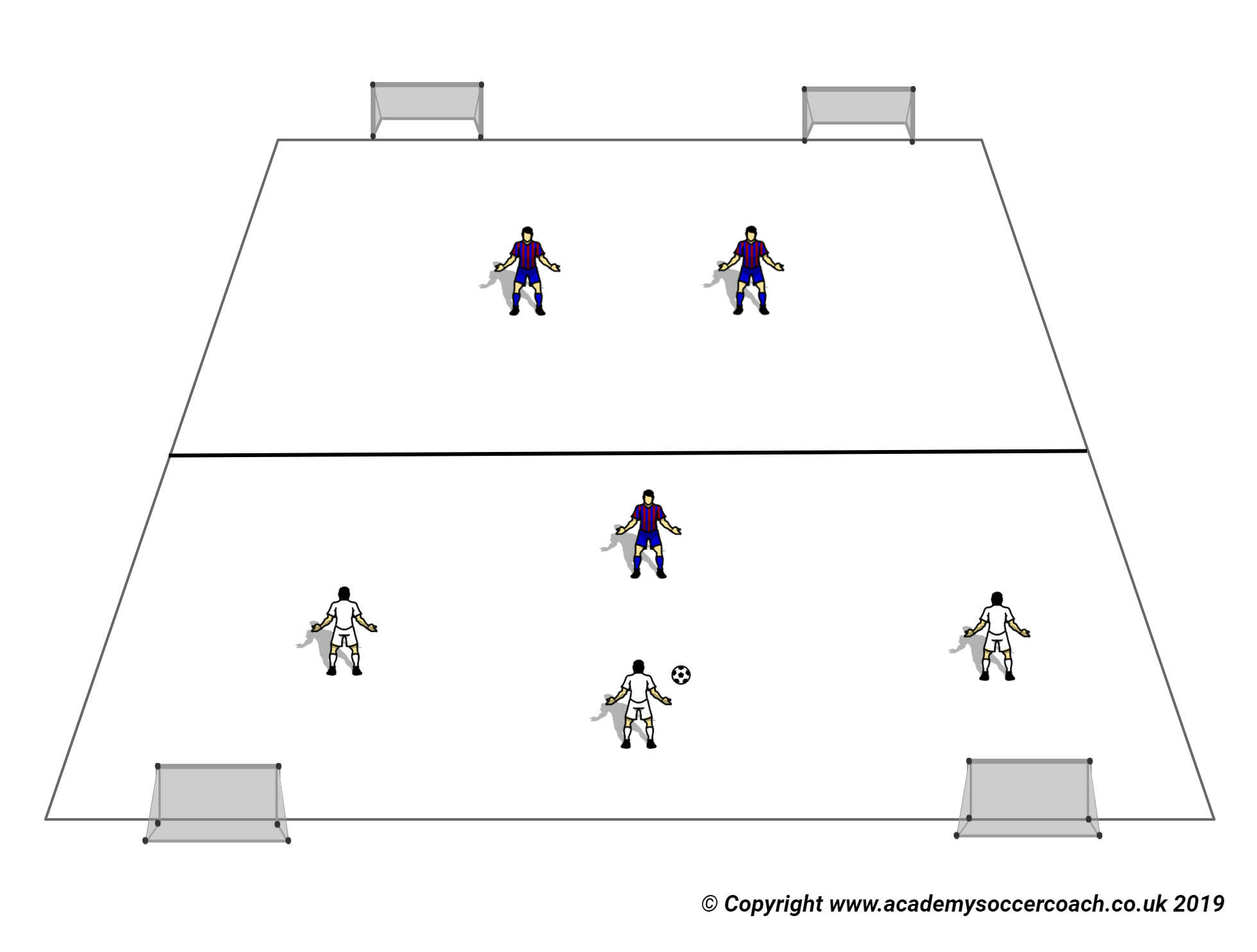
When a team is in possession they begin with a 3v1 attack in their own half. The defender is locked into his/her own half. When the attackers cross the halfway line they have a 3v2 attack. Should the attacking team lose possession there is an opportunity to counter attack as there is now a “goal hanger” to play into. Continue with total freedom of movement until the ball is out of play, then restart with a 3v1 attack. No corners or throw ins.
Version 3
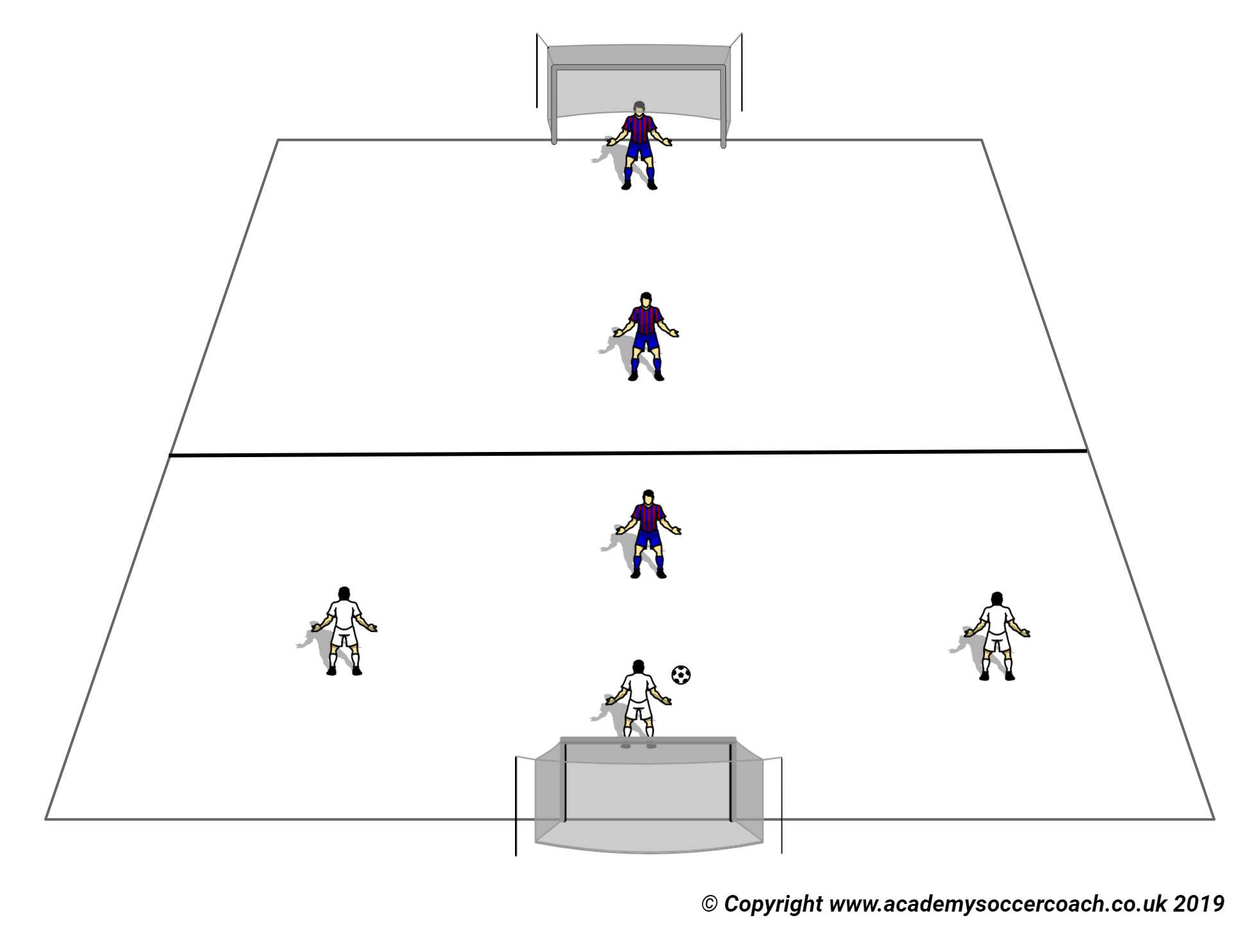
As with version 2 but with a single goal at each end, thus requiring a player to perform the role of goalkeeper.
We can enact change, but retain the core aspects of football required at all ages, while delaying those that are only required in the latter phases.
Changing aspects of football at the foundation phase causes heated debate, but there is recognition that adaptations are required. At senior level, you are inviting a New Coke like backlash.
It was in 2018 that Marco van Basten put forth a set of proposals to change football. These were not small tweaks, these were major changes. One proposal was to remove penalty shoot outs and have players dribble from 25 metres out, 1v1 with the goalkeeper. Another was to remove the offside law entirely. Half time would be a thing of the past with a match being divided into quarters. The reaction to these ideas was predictable, everyone had a laugh and moved on.
We should not be so quick to dismiss such ideas. Recently a group of under 17 players experienced a twist on football during a session with me. At the end of the session one of them asked “can we play like this on Sunday, it is much more exciting?” The children who come through the brave new world of conditioned and imaginative games may dream beyond what we recognise in 11v11.
The question then must be, what might this bold new game look like?
The answer may lurk within our training sessions, just as the answer may have been for the youngest players.
The Backwards Goal Game
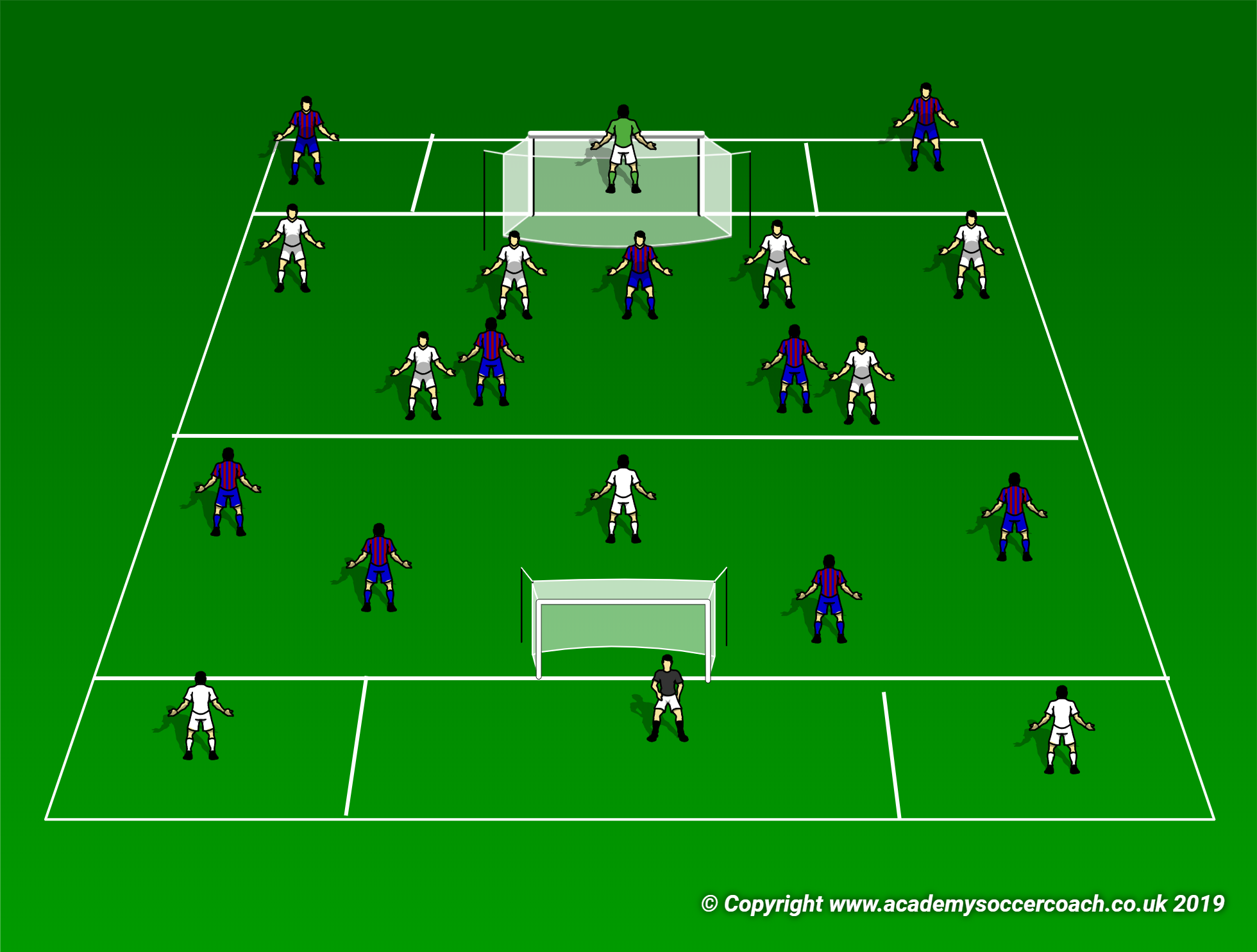
It was a small sided version of this game that got the players so excited. Goals are placed on the edge of the penalty boxes. Teams need to find their way into the box to realistically have a chance to score. Corners become shooting opportunities and missed efforts at goal create counter attacking chances, thus the tempo and action are at high levels.
Two Goals, Two Goalkeepers (V1)
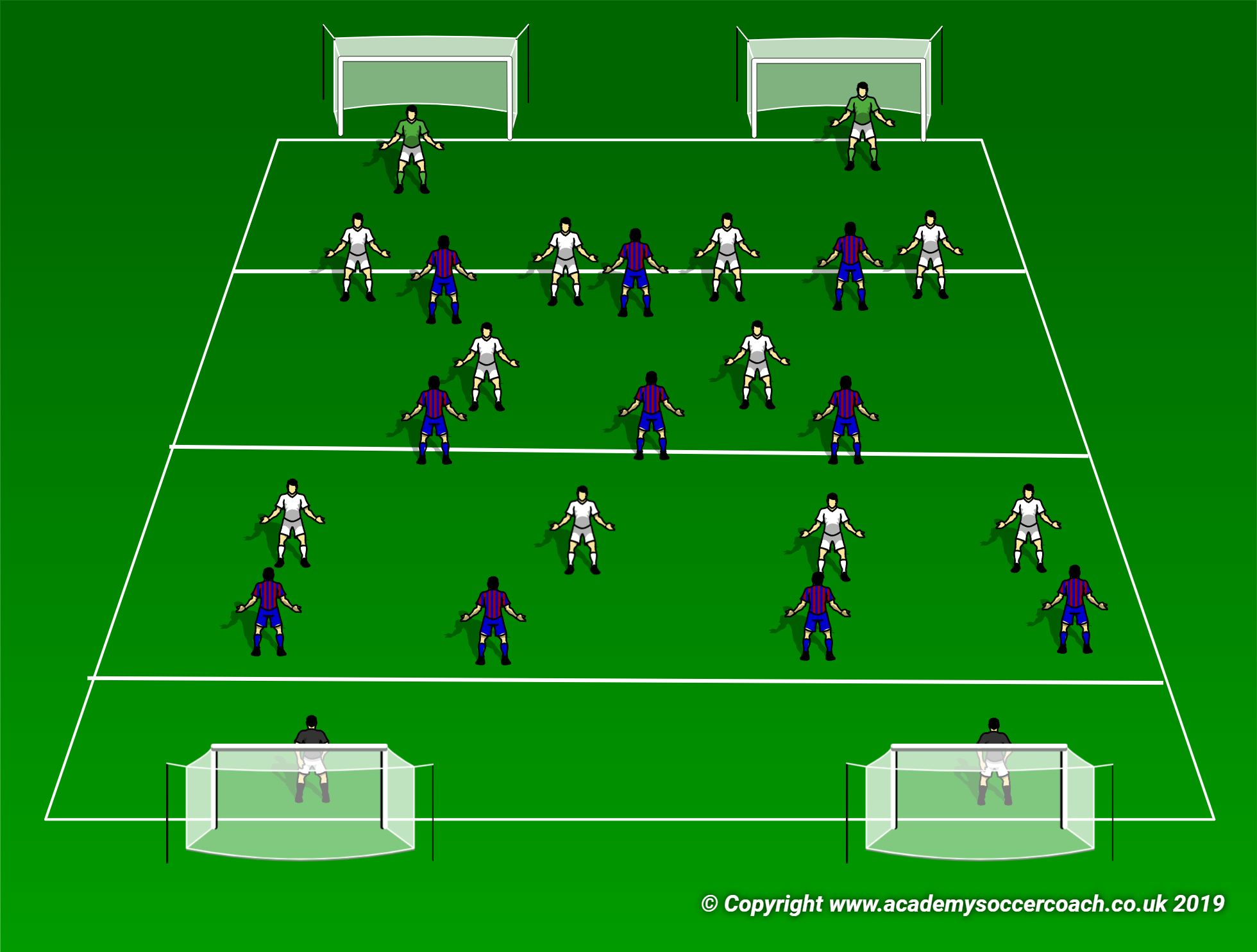
If we feel that the task of defending one goal is too easy then why not have two? Doubling the scoring opportunities will increase excitement levels and increase the chances for goalkeepers to be involved. Football would then change from 11v11 to 12v12 but with the same number of outfield players.
Two Goals, Two Goalkeepers (V2)
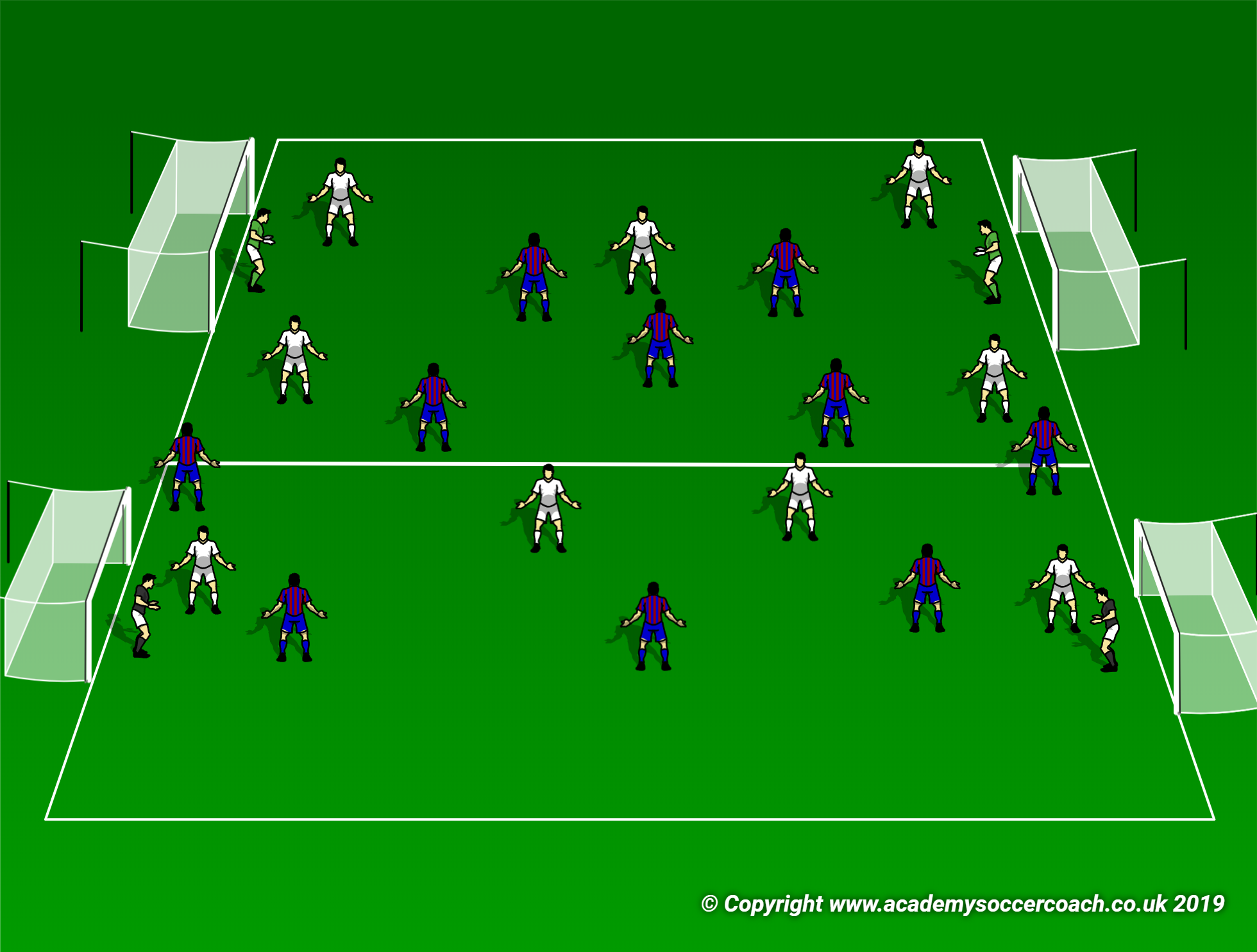
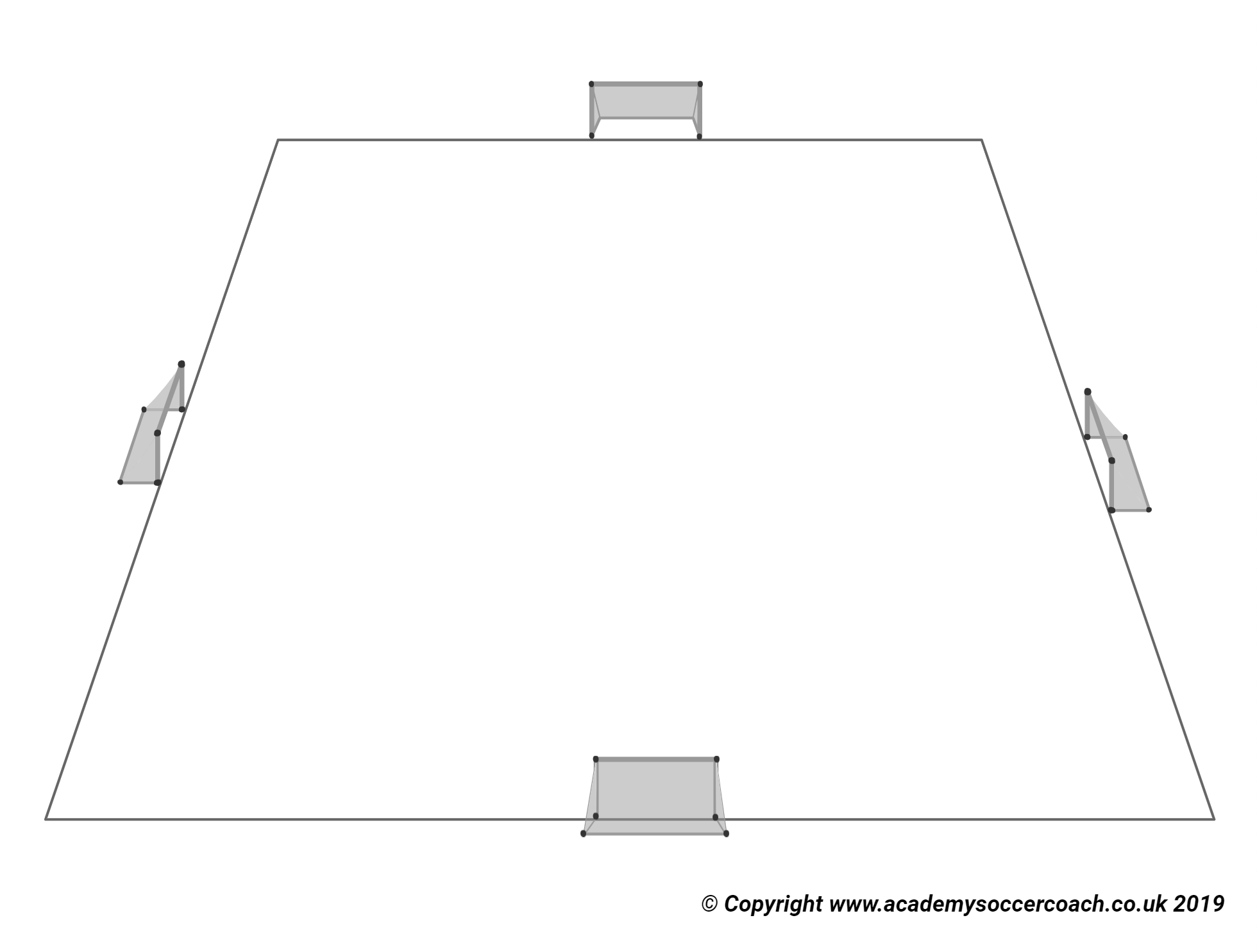
Taking our 12v12 game a step further we move the goals to the sides of the pitch. This game of football would require adapted strategy, flexibility and variety. Levels of excitement would increase as the angles and lines of this variance of football would be greater. Points of attack could shift constantly.
Many people would consider that I have gone too far and perhaps I have. These are just my ideas, I am sure many far smarter and more experienced people than I can adapt and develop even stronger ideas than these.
Perhaps football as we play and watch it has no need for any form of change, but to rule out future developments and radical change for future generations might be negligent.