Every time we watch a game of football we can never be sure exactly what is going to occur. Yes, we have an idea of what will happen within the parameters of the game but just how that will happen we cannot be sure. We can never know just how significant the match we are viewing might be, indeed we may not realise until far later. We may be witnessing a moment of historical significance. The game where the Cruyff turn is born. Or the game where counter pressing is born. It is one of the great beauties of football, that the game evolves before our eyes.
Formations have developed, evolved and devolved. Most famously documented by Jonathan Wilson in Inverting The Pyramid football began with 2-3-5, moved to the W-M (as the offside law changed) before the role of the full back was forever altered by the Brazilians as they popularised the back four, changing the W-M into a 4-2-4 formation. Meanwhile in Europe Swiss and Italian football instigated the Libero and what would eventually become Catenaccio. There then came an explosion in formations and styles. Total Football being the ultimate goal until Guardiola trumped and usurped the romanticism of Total Football with Tiki-Taka (just don’t call it that). The most recent interpretation of Guardiola’s style is akin to the 2-3-5, particularly in possession, with the fullbacks tucking inside to help protect the two central defenders. The distinction between in possession and out of possession is particularly important, as it is generally accepted that given time to organise, two compact layers of defence will be the most difficult for opponents to break down, the composition of which may or may not be impacted by a teams in possession shape. A teams in possession shape will have a greater impact to their transition shape, which was one of the reasons Guardiola sought to utilise inverted fullbacks, reasoning that they would be closer to their defensive position should a counter attack occur.
As tactics developed the roles of positions have changes. The modern goalkeeper is now expected to be a vital pivot for teams who have a possession hungry style. For teams who squeeze high up the pitch the expectation is for their goalkeeper to be prepared to leave the penalty area and sweep up. In midfield roles have become subdivided. No longer is a player just considered a central midfielder, they are deep lying play maker, an anchor man, a regista, an advanced play maker, or one of many other nuanced terms applicable. Wingers have inverted or even pushed higher up to become wide forwards, who for some teams are their main source of goals. The traditional number nine position has been augmented by the false nine, with the objective of dragging defenders out of position to create space for runners. Number ten has a great many nuanced variations that will depend on the attributes of the player and the tactics around them. A number ten in a 4-2-3-1 might perform a very different role to the number ten in a 4-4-2.
What will be the next great positional evolution?
The full back role has seen the greatest developments, particularly regards in possession duties. At a simplified level teams will either leave both full backs alongside their central defenders, push one full back high, leaving the other alongside the central defenders or send both full backs into attacking positions at the same time. The latter has become the most common place, particularly for possession orientated teams, with the positioning and movement of the full back a key component of the tea shape. It is arguable that in attack minded teams the true description should be that of wing back, even if the formation states a back four is being utilised.
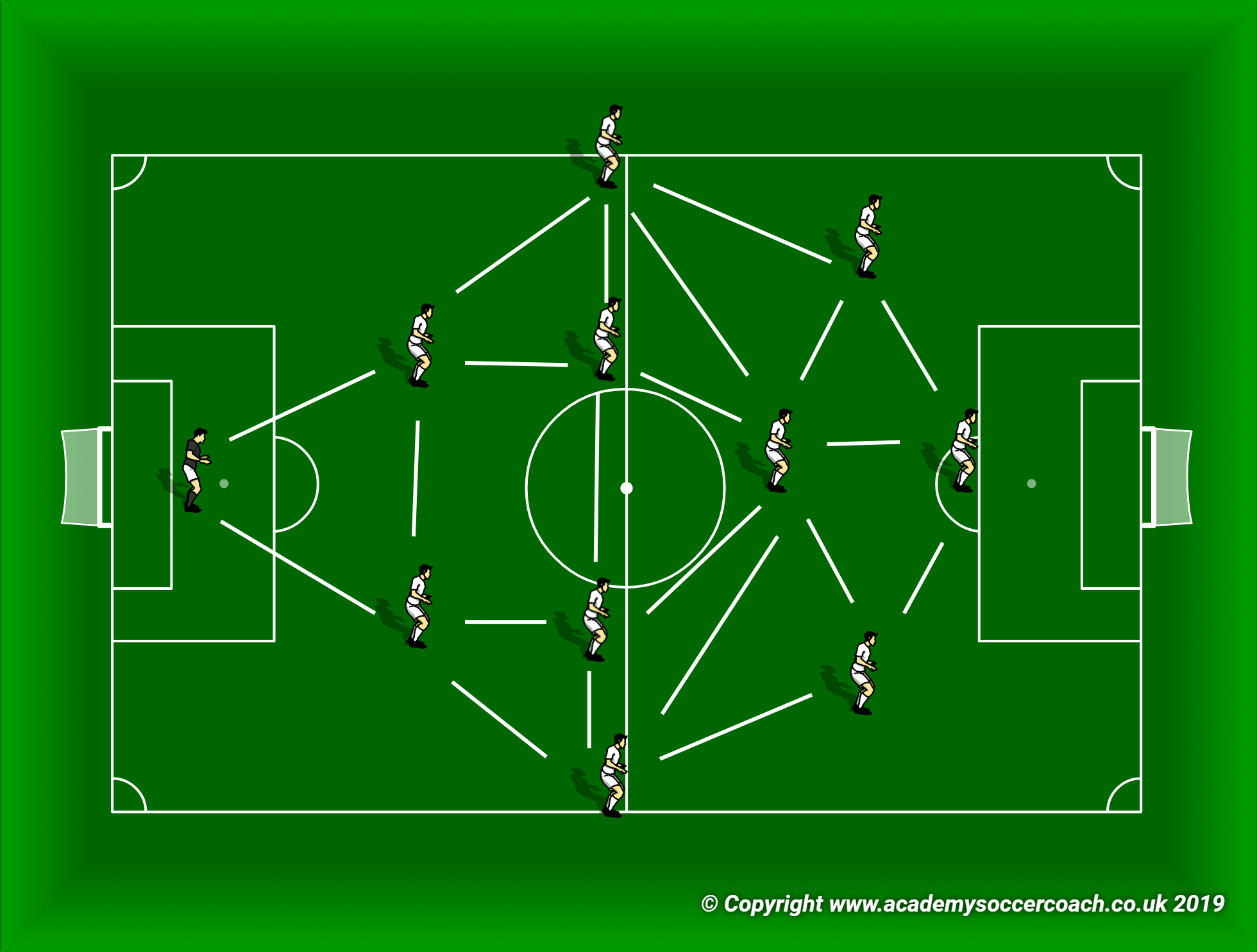
Not only are the full backs of vital importance to their shape they are also expected to have an offensive output. The nature of their output is likely to be heavily influenced by the full back ‘s relationship with the more advanced wide player on their side of the pitch. If what might be considered a traditional winger is always positioned on the side line it is impossible for a full back to overlap. Should that same winger be inverted, a left footer on the right, and hugging the line the overlap can be triggered by the winger taking a first touch and dribbling inside. Alternatively as the possession based team progresses up the pitch, closer to the opposition goal, the wide player may be tucked inside, within the width of the penalty area which creates space on the outside for an overlap.
From the overlapped position it becomes the responsibility of the full back to provide service into the penalty area. At Liverpool Andy Robertson and Trent Alexander-Arnold have become masters of this. They are particularly important as Liverpool do not operate with players who perform traditional wide roles. Sadio Mane will alternate between taking defenders on round the outside and cutting in but Mohammed Salah will very rarely attack a defender on the outside and deliver crosses, particularly as he is a left footed player operating on the right hand side. Mane and Salah operate as wide forwards who are expected to score goals more than they are to create them, placing extra emphasis on the quality of delivery from wide positions.
How new is the attacking full back? The concept and idea is not new at all. As Brazilian football emphasised a 4-2-2-2 shape, utilising a box in midfield and no traditional wide players, they relied on attacking full backs for decades. The most celebrated and well known attacking full backs are Brazilian, Roberto Carlos, Cafu, Dani Alves, Marcelo…. In Europe we saw players like Darjo Srna become their club and countries primary source of assists because of their ability to pick out a team mate in the opposition area. The reason the evolution of the full back is so pronounced isn’t necessarily the idea, more the prominence. Once the creative full back was the exception, now it is expected.
The change in expectations from a full back mean that the attributes of individuals playing as full backs have also changed. The very best teams have the very best full backs and are willing to spend big to get them. These players are athletes, with both speed and stamina, while also being technicians, in possession of high quality crossing abilities and excellent dribbling skills. Not necessarily traits traditionally associated with defenders. Our creators and wingers are more likely to posses such skills, hence the terminology wing back, once connected to the 3-5-2 shape but now applicable in other systems. Football at the highest levels has become a much more technically proficient game, which has seen the technical expectations change across positions, but the full back may be the most pronounced change.
What of the inverted wing back? By positioning a player further infield do the attributes required adjust again? The inverted wing back has dual roles and responsibilities, to be able to provide support in wide areas in the right moment but also to be able to take up positions associated with central midfield players. Which has meant that Guardiola has been content to use Fabian Delph and Oleksandr Zinchenko as inverted full backs, despite their preferences being midfield roles. The inverted wing back role is a mere tactical infant and may yet hold the possibility for further fascinating tactical developments.
Presently the inverted wing back makes the majority of their forays into the final third in the wide zones, either with an overlapping run after the winger tucks inside/dribbles inside, or makes an underlapping run when the winger has remained wide. The purpose of these runs is generally to deliver into the penalty area, with the majority of deliveries being low.
What if we extend the half space?
Guardiola has already started to move away from inverted wide attackers, with the left footed player on the left and the right footed player on the right. The wide player stays wide, tucking inside when the ball is in the final third and on the opposite flank, as they seek to arrive at the far post for a simple finish. This means that the space for the inverted wing back to attack is on the inside, on the underlap.
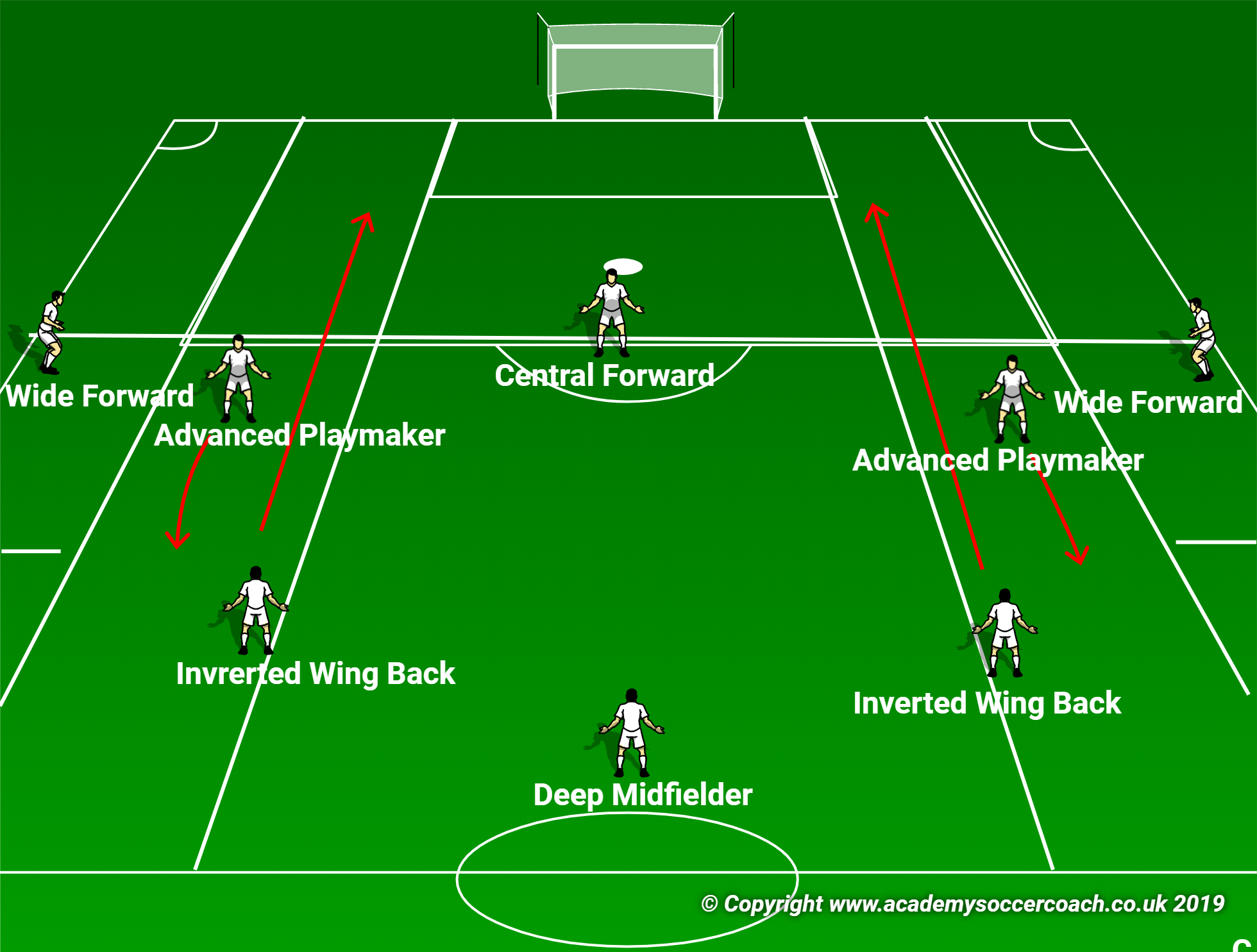
The logical positions for the inverted wing backs to arrive are areas from which goals and assists occur. Assists from wing backs and full backs are now the norm, but what of goals? If we consider that only a small adjustment in mindset and running angle will change the position they arrive in the penalty area into one in which the option to score will be more likely than the option to create.
Football may be on the verge of the ten to fifteen goal a season full back.
The inverted wing back operates in the half space, a zone where teams actively seek to position their most creative players. The half space is also a position in which inverted wingers cut inside to score their goals. With the wingers positioned wide it would only require a simple rotating movement between the inverted wing back and the advanced playmaker to create a perfect channel for the inverted wing back to make runs closer to the edge of the six yard box than the edge of the eighteen yard box.
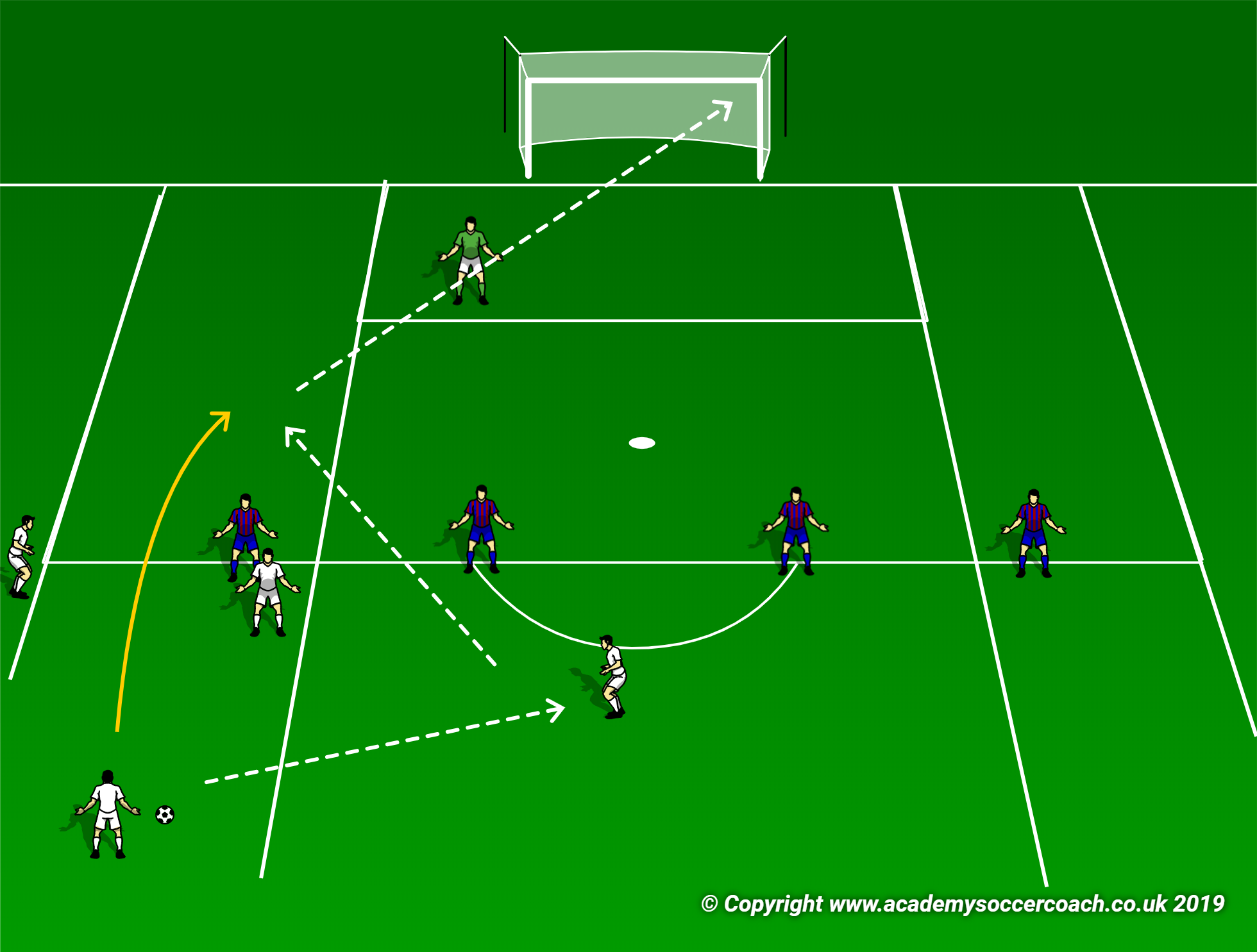
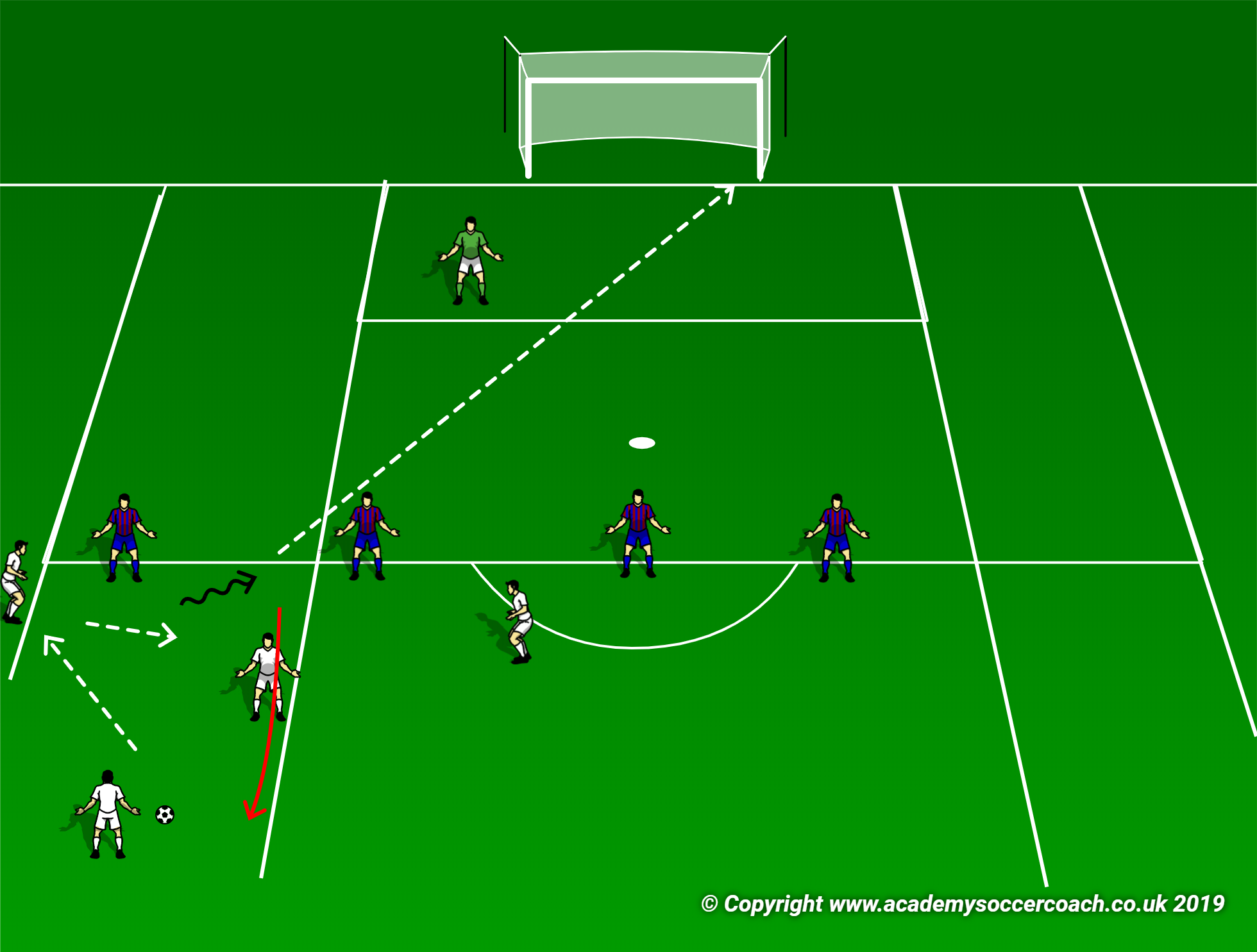
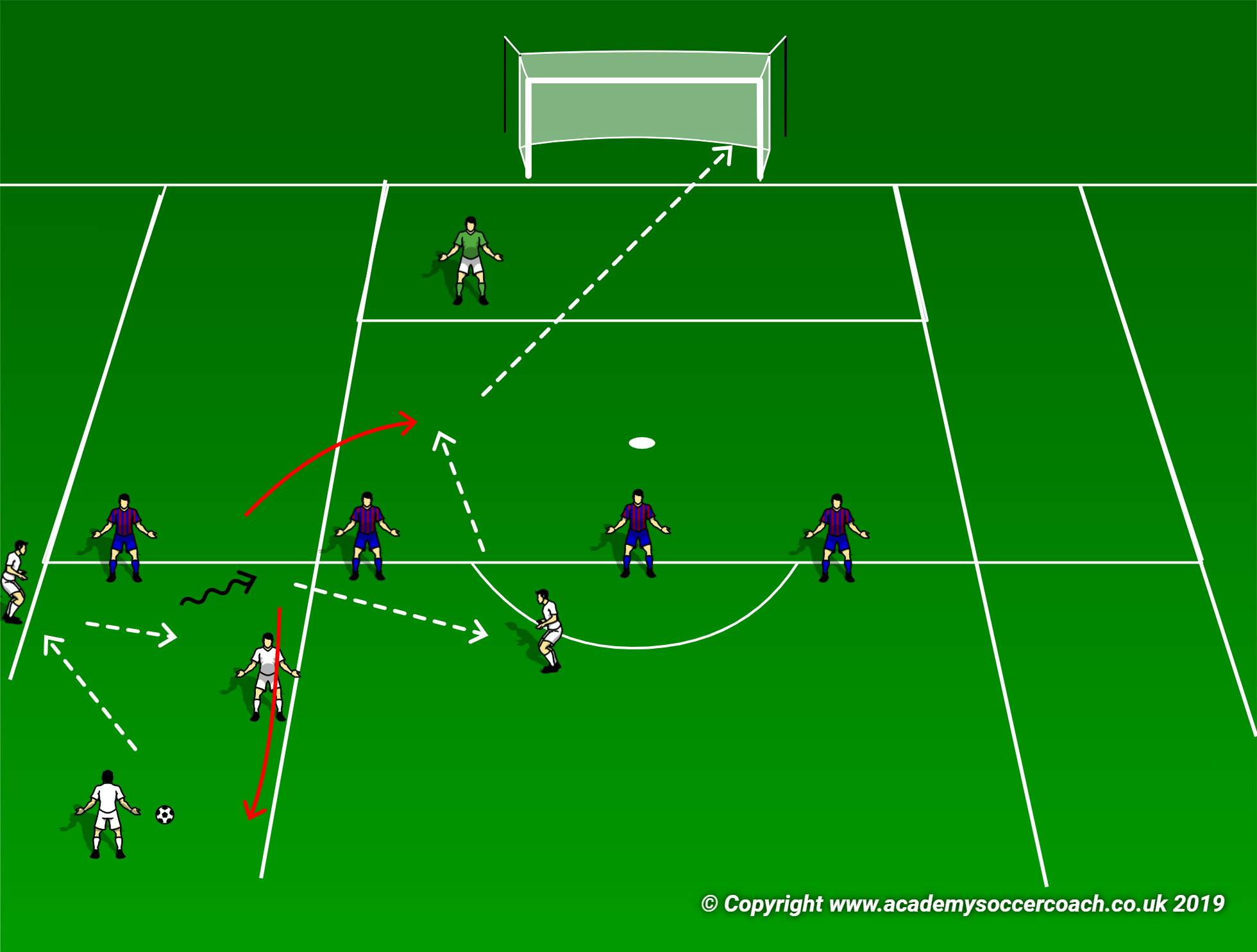
Goal scoring full backs have been a part of football. As an example, Stuart Pearce once scored 11 league goals in 33 games for Nottingham Forest. Pearce was a regular penalty taker but also scored goals from open play. He has spoken about the difference between the seasons when he scored from open play and those when he did not was whether he was making underlapping runs. Liverpool had a tradition through the 60s, 70s and 80s of their fullbacks scoring goals. Chris Lawler scored 10 in the 1969-70 season. Lawler did not take penalties, unlike his long term successor, Phil Neal. Bob Paisley described Lawler as having “the brain of a striker”.
The qualities required of the player to become a goal scorer under this tactical plan would change the development of the role once more. As the wingers are no longer playing with the left footer on the right and the right footer on the left it would become desirable for the inverted wing backs to switch over, with the left footer on the right and the right footer on the left. Of course, even more desirable would be for the player to be exceptional with both feet, but that is true of every position. The player will need to be intelligent enough to recognise when to make the traditional overlap as well as the more prominent underlap. They will also need versatile attributes to enable them to perform as a central midfielder, full back and wide forward. Capable of creating and finishing moves himself. The mentality of a predator in the opposition area and the mentality of a protector in their own.
Guardiola laid out the protypes for these players at Bayern Munich. As much as he openly admired Philipp Lahm it is Lahm’s successors, David Alaba and Joshua Kimmich who provide the perfect blue prints. Players with the technical and mental abilities to perform in midfield, which they have done on many occasions, but also with the understanding of positioning and movement to fulfil their full back roles, comprehending when to overlap and when to under lap. Whether they both have the finishing abilities to score a dozen goals in a season is questionable, although Alaba operating on the right side and cutting in could be very effective with his ball striking skills.
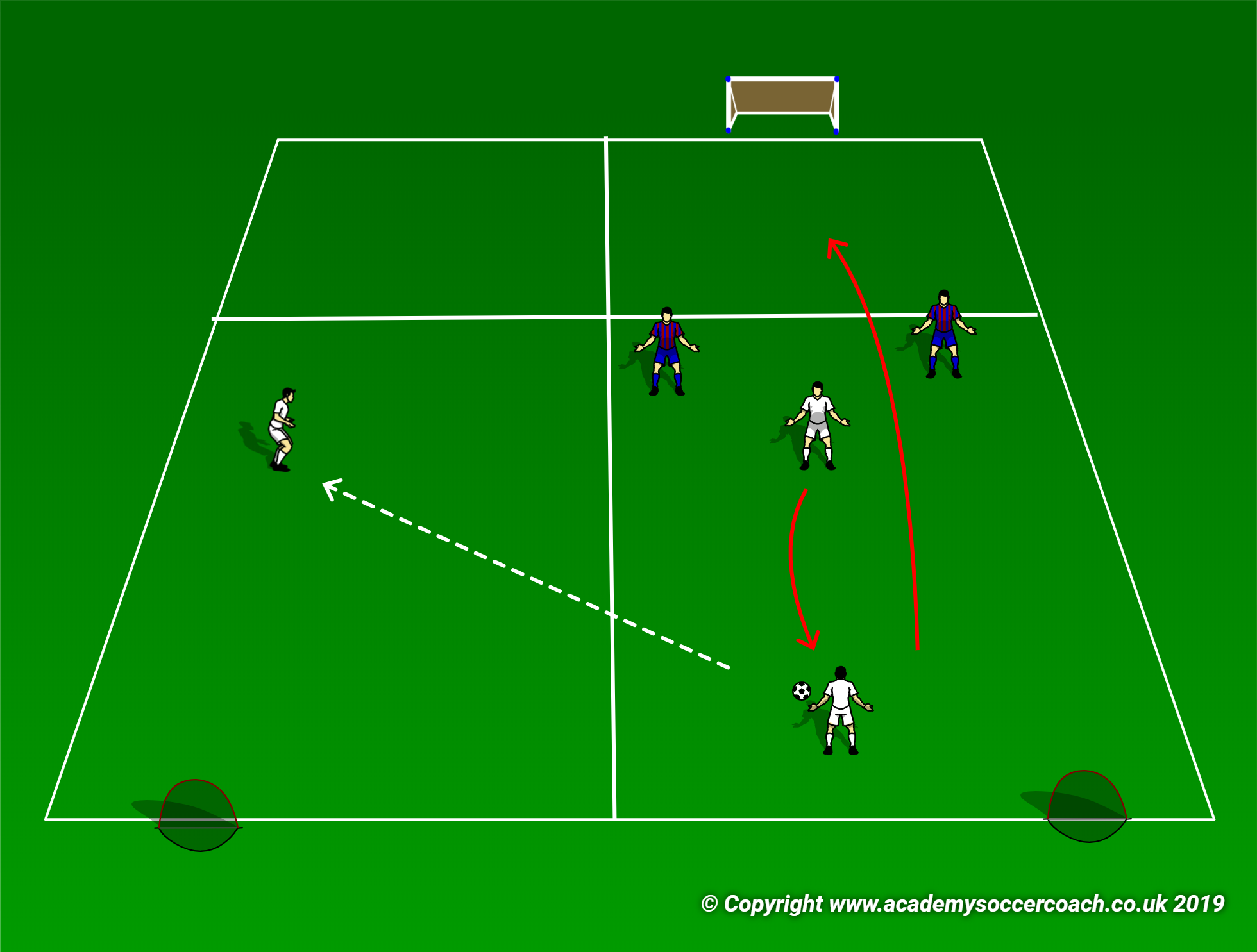
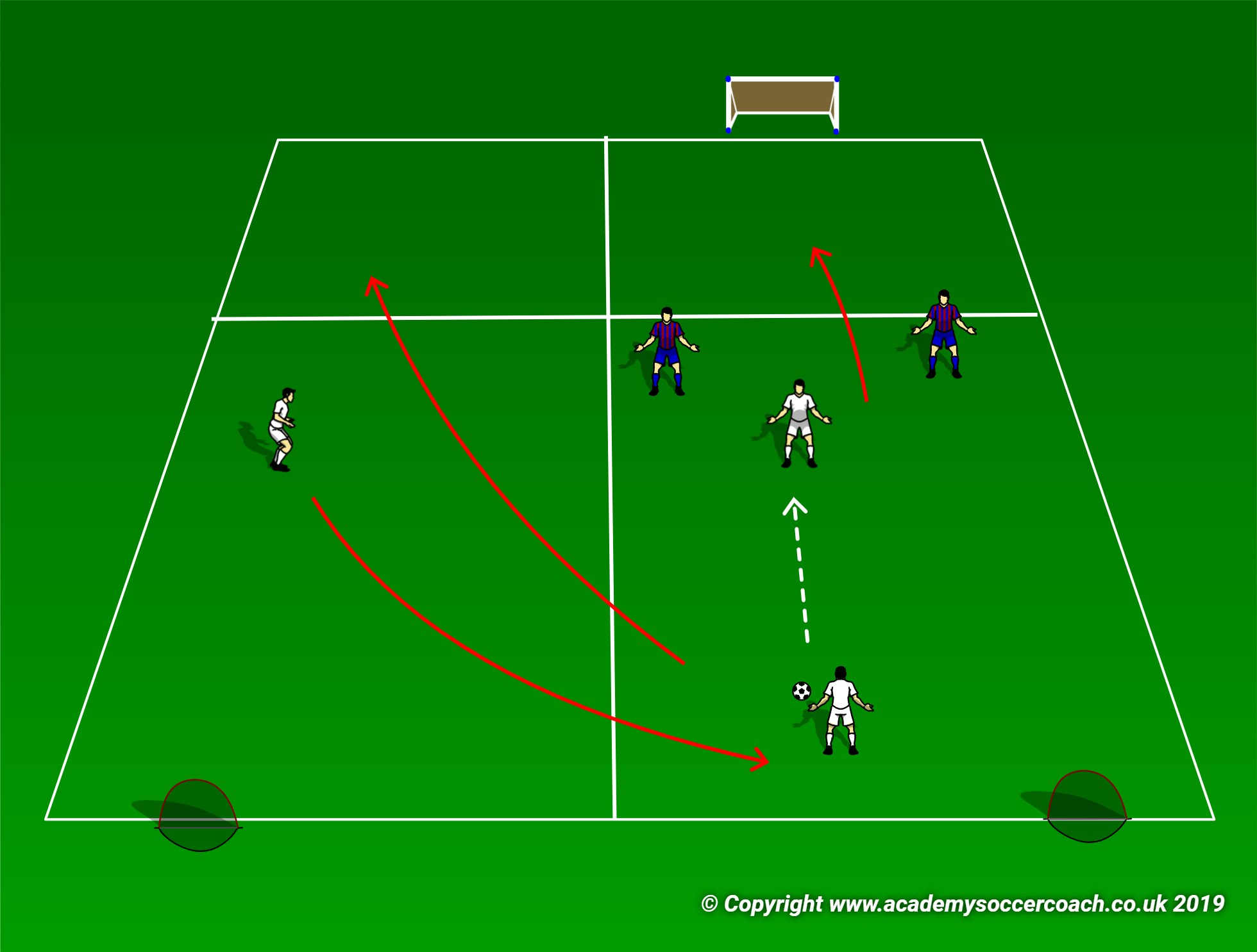
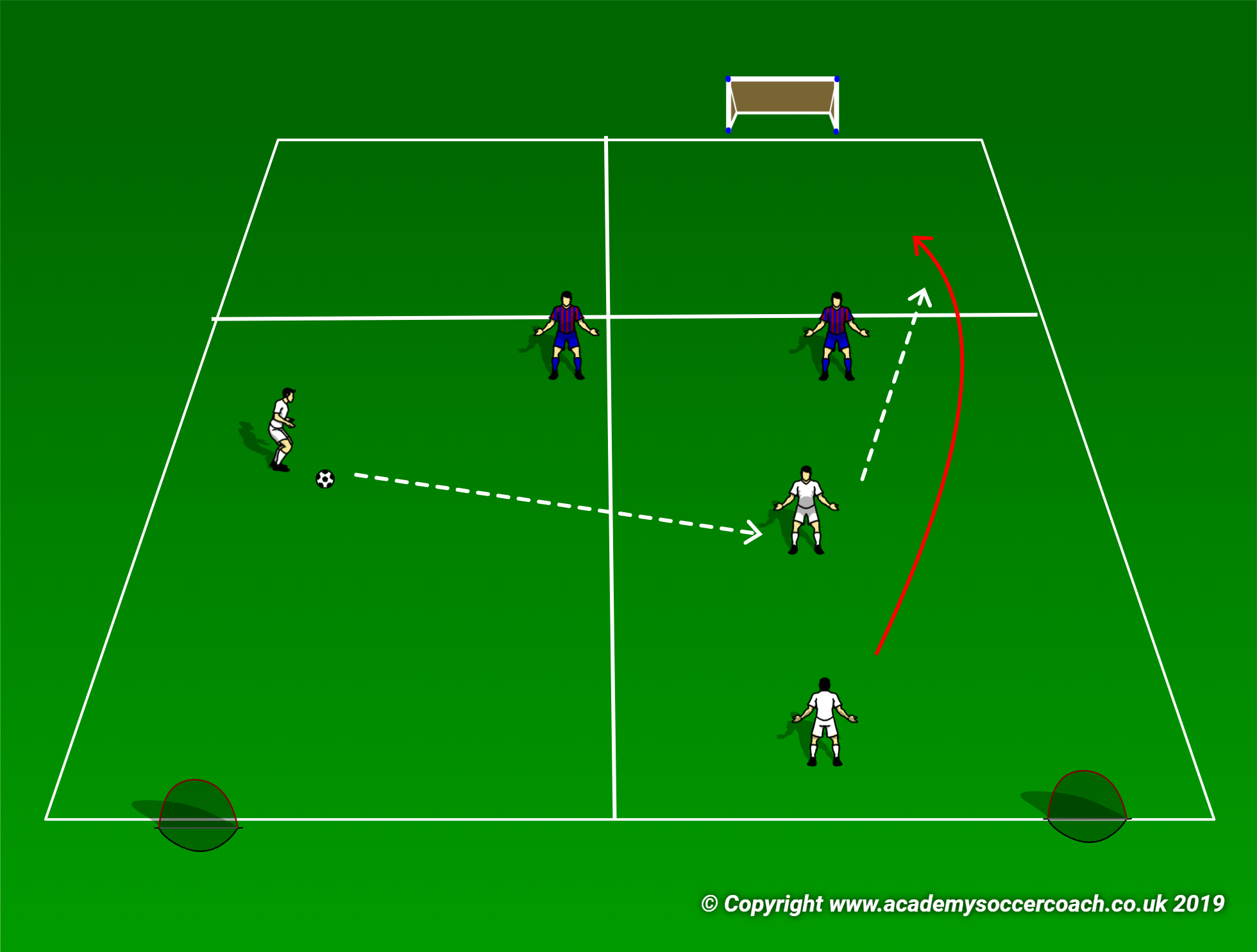
There is the next development to enable the creation of the goalscoring inverted wing back. A vast array of technical and tactical abilities, with the capacity to finish off opportunities in and around the penalty area. A huge ask of any player, but to have two additional goals coring threats in the line up, alongside those provided by the traditional attacking players, could be worthy of pursuing for the manager who works it out.