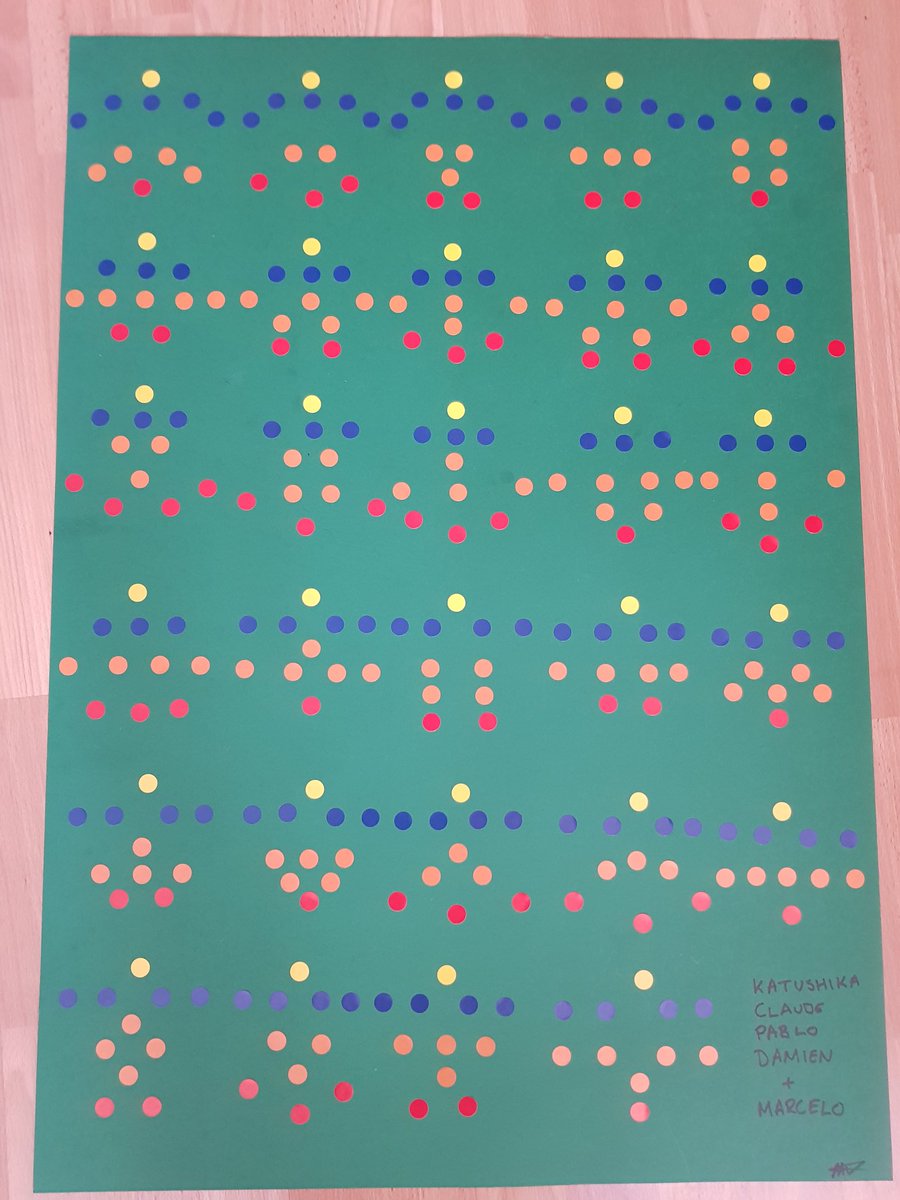
A coffee and a book. That is what caused the above piece (and I will describe it as a piece) to come into existence. At around 10am I sat with Marti Perarnau and Pep Confidential: The Evolution, mid Mocha reading a page discussing Guardiola using a 2-3-5 formation while at Bayern, I struggled to figure out the spacing of this shape, the image would not appear in my mind’s eye. So I drew it out. With positions, then with lines, then with dots. At this stage everything in my brain collided. Never have I felt such an over whelming urge to get to a stationers.
For the previous few days I had been mulling over and playing around with some concepts all spinning out from a single, regularly used phrase.
“Football is an art, not a science.”
Sometimes that can read;
“Coaching is an art, not a science.”
Perhaps it will help us coaches if we tried to better understand art?
I delved into art documentaries and writings. A number of things struck me, the rules of art. Those of form, composition, colour and the rule of thirds. Variations of sources of inspiration and subject matter. Finally the morphing of styles, bridging from one into another, striking a line through classical, impressionist, cubist, modernist and everything in between.
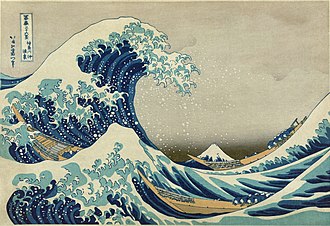
One format that stood out as being easily transferable in football was the idea of a sequence or series. The Japanese artist Katsushika Hokusai is most famous for his image The Great Wave (circa 1829-1833), which marks the beginning of 36 views of Mount Fuji. Originally there were 36 prints but ten additional prints were made.




In 1891 Claude Monet produced a series of 15 paintings of haystacks.



He painted 26 views of Rouen cathedral.
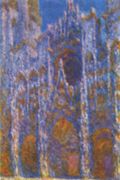
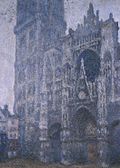
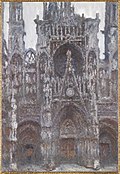
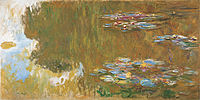
He then moved on to 37 paintings of Venice. Another 37 paintings of Charing Cross Bridge. Then came the famed Water Lillies. Monet painted 250 canvases of water lillies, possibly the ultimate series.

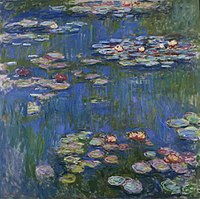
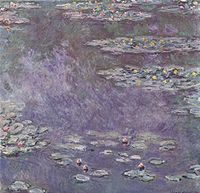
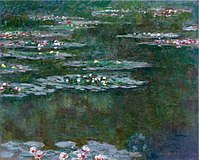


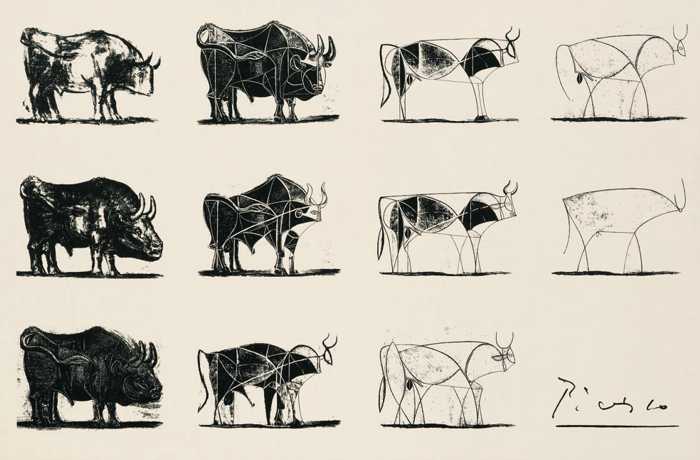
Pablo Picasso created his own series. Those of the bull, but his series is slightly different. As the bull series progresses the bull is stripped down from a detailed sketch to mere lines. Yet it remains a bull.
Initially my idea for a series involved session planning. Taking a single session plan and over the course of 30 weeks progressing it to create new practices all born of the same root. Then came a book, a coffee and chocolate croissant.
For some time a had been aware that the great Argentinian coach held it to be that there are 29 possible formations in football. As I drew out the 2-3-5 formation described my Marti Perarnau I wondered where it fitted in with Bielsa’s formations? That was the moment it struck me. Where Bielsa’s 29 formations in fact an example of the artists’ series?
As people who are involved in football and sports, how do we perceive formations? As letters, as numbers, as dots on a page.
We have become masters of giving meaning to the meaningless. A dot in a particular place now carries with it a great deal of context. It has a whole history behind it, the history of 100 years of media coverage of football is added to the history and understanding of the person looking at it. The meaning of the dot is obvious, but how obvious would it be to someone with a no understanding of football? It is a very particular code that has been hardwired into a certain percentage of the population.
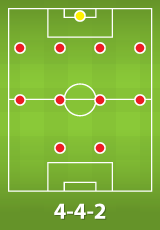
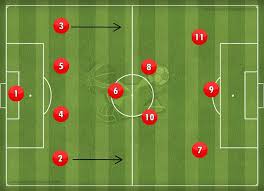
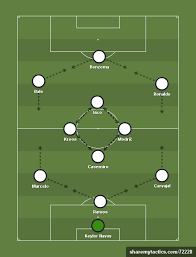
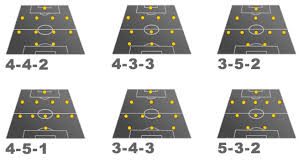
The use of the dots and creation of a code brought to mind the work of Damien Hirst. Not his animals in formaldehyde, but his more recent, mass produced art.
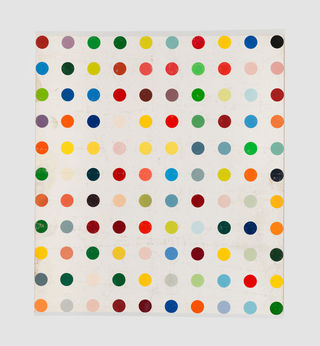
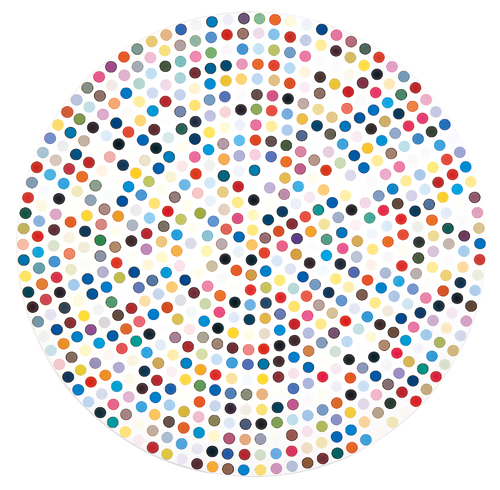
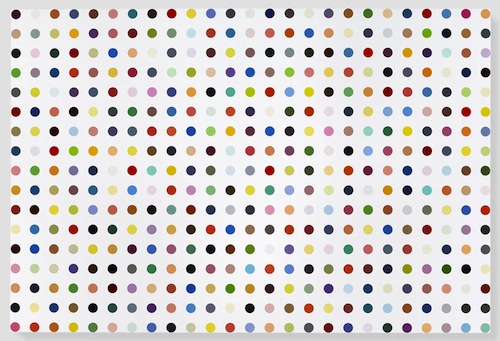
So, by attaching meaning to meaningless dots and placing them on a canvas I have attempted a work of multiple layers. The code of the football formation, the numerical sequence and movement from formation one to the next, a recognition of art’s past and present and the human brain working to recognise patterns.
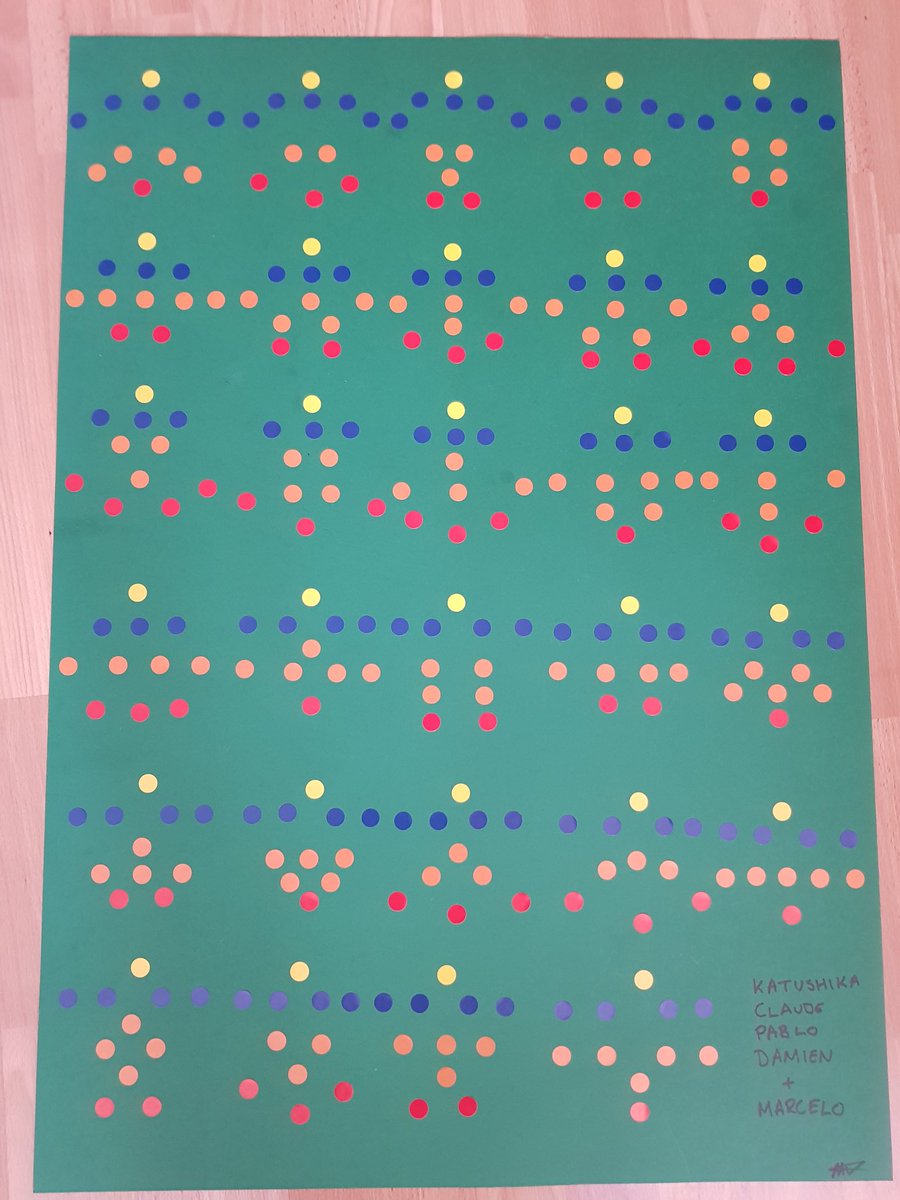
Within the image we have meaning within meaning. By using different colours in each formation I create positions. Once again, this is obvious to anyone that follows football but perhaps less so to those with little to no interest.
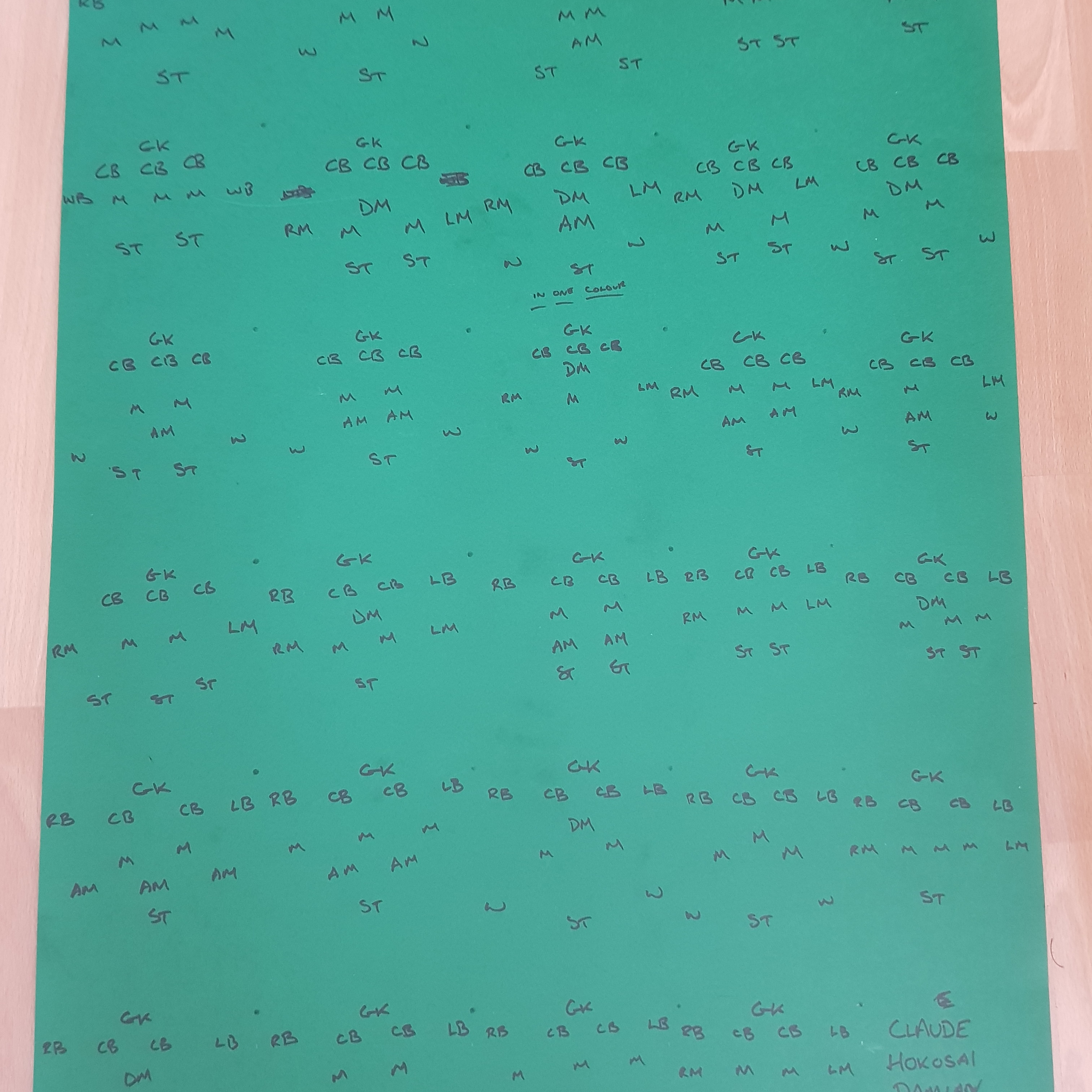
What happens to our understanding of the image if they are all the same colour?
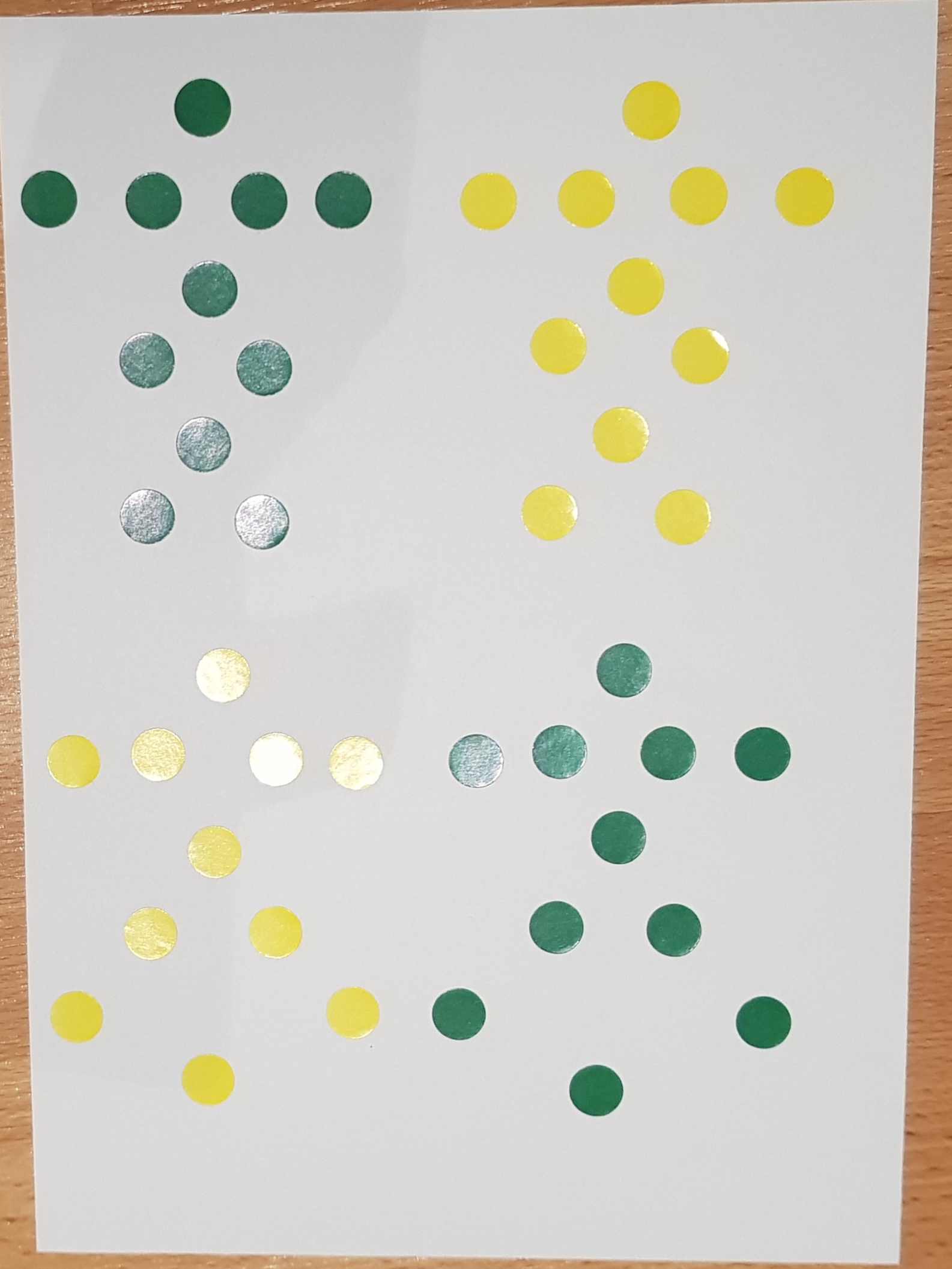
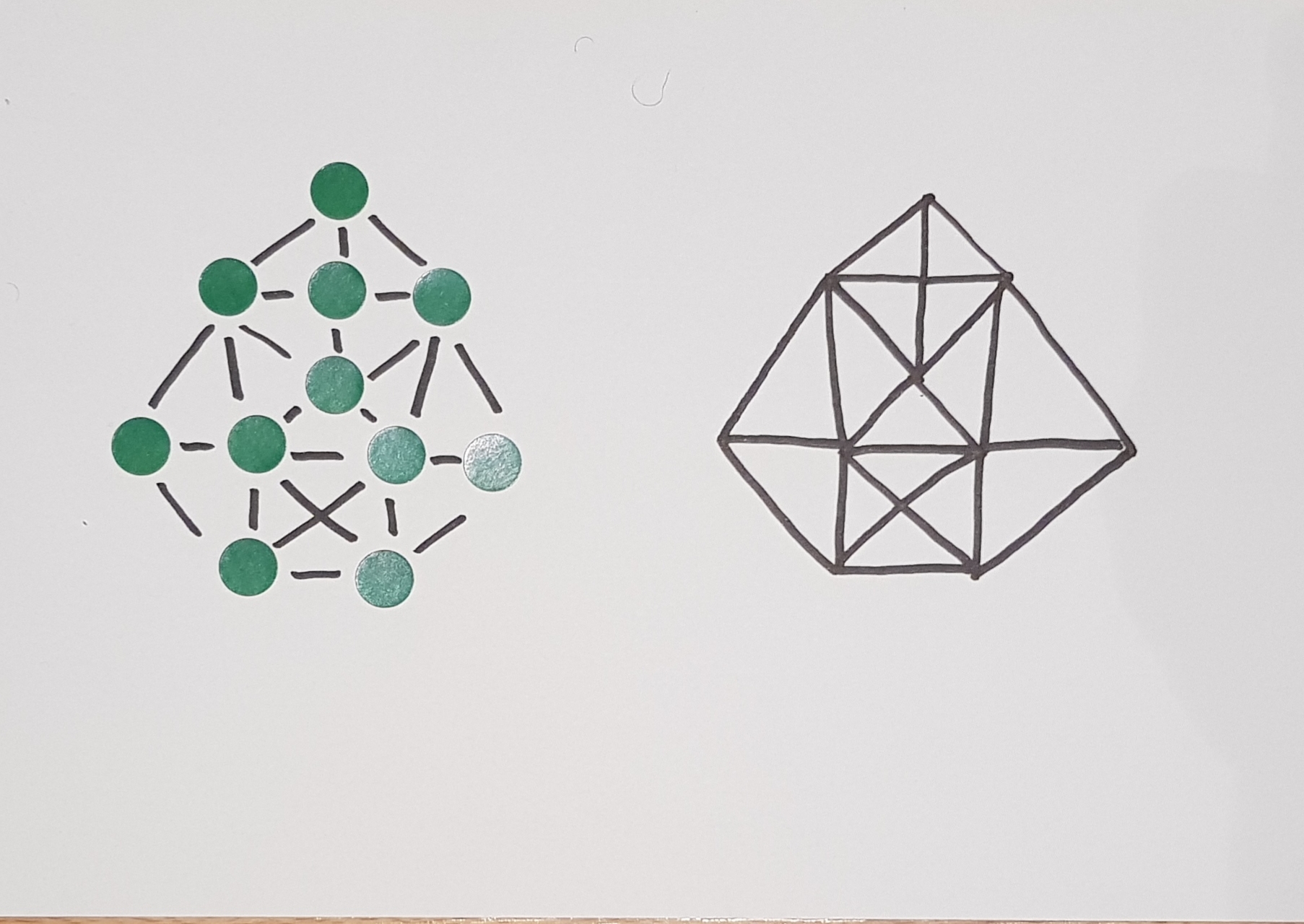
The positions are less obvious but our “football brains” can work it out. The geometric shapes and patterns match up with that with which we are pre-programmed. By changing this series we can ask further questions of our understanding. Team shapes have an element of connectivity, a web spanning from position to position. It could also be seen as the layout of a circuit or any other inter connected plan that our personal circuitry is familiar with. If we take out the spots completely and complete the web we are left with a geometric shape, removed from what we began with. An abstract geometric shape, verging upon the cubism expressed by Picasso’s final bull.
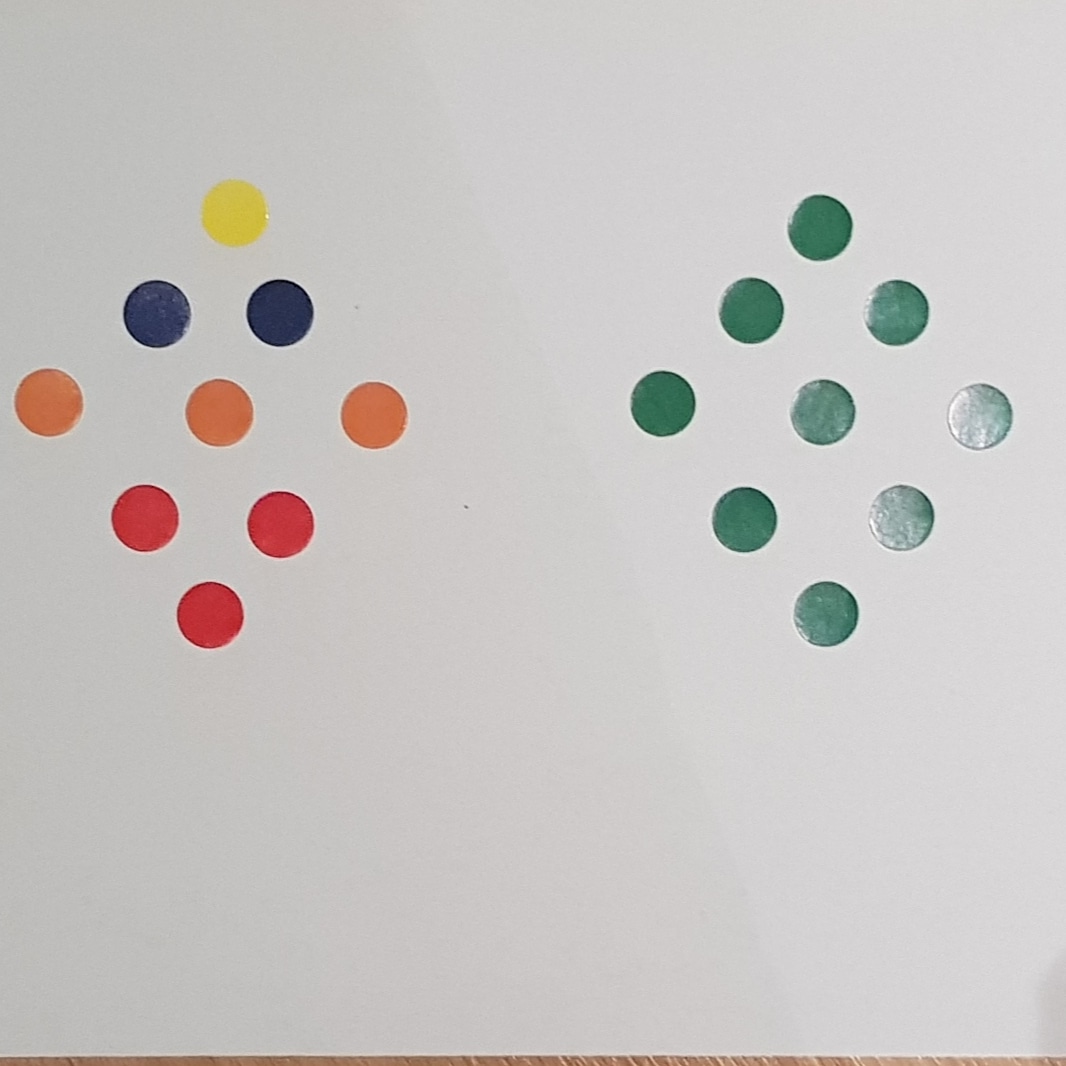
Another question raised is what happens if the formation is perfectly symmetrical? In 11v11 that is quite a difficult trick to pull off, but in 9v9 I use a shape that is just that, a literal representation of a large diamond when in possession for the very reason of the geometric web. Through the use of colours we can see the positions, but if the image is one colour the positions are removed and we are left with just a shape. This fits with the philosophy of Pep Guardiola, Paco Seirul.lo, Juanma Lillo and, fittingly, Marcelo Bielsa. The specific positions of the players is less important than the shape that is created and the spaces that are filled.
How can understanding art effect our understanding of football and coaching?
Focusing on the series and the sequence, it is apparent that interconnectivity is key. While we plan and organise mainly in two dimensions (sometimes three) we take in other dimensions as we do so. We cannot plan for a particular session without considering the past and the future. The past of a group or individual has shaped their present and what we do in the present is designed to shape their future (it should of course be noted that the session plan itself is an attempt to design the future and we must use the term present very loosely).
Many who have taken an FA course in the last decade will have experienced a linked series as a part of their pack. It is very common to have to create and deliver six sessions that link together. A mini-series. Or an element of periodisation. How tight the series is depends on the similarities between the practices used, rather than the differences.
In this respect my own collection of 3v3 based small sided games and practices can be seen as a series. They have a thread running right the way through them, tied together and designed so that they can easily be progressed. I would not suggest that they are art, but certain traits do crossover.
Taking Bielsa’s concept of formations we automatically have a connectivity between any formation in that it will contain 11 players, one of whom is a goalkeeper (at least at the beginning of a game). Within that we are generally working with three units of two to five, although the midfield could become a unit of six. The general geometric shape will be that of a large diamond/hexagon/octagon depending on nuances of angle and distance. When moving from one formation or shape to another depends on such nuances. A player shifting from one space to another creating a fluid series or sequence. When planning, adapting or progressing it is certainly an advantage to better understand art if we are to create fluidity.
As coaches we unconsciously deal with ideas related to art (as we also deal with ideas related to language), especially those of symbolism. Let these connections become a part of the conscious decisions and we will achieve greater depths of creativity, understanding and engagement.
I hope you enjoyed this article. If you did you may want to check out my book on 3v3 Coaching.
Peter Thornton
10 Aug 2018Great stuff PP
One concept that fascinates me, as an art lover, and a coach, is fluidity.
All those formations are never static, they constantly flow through the movement of the players.
I still think City play a basic 433. But when the full backs push on and Fernandinho drops between the chs the snapshot is now 343.
Similarly, what do those formations look like when they are compressed into five yds either side of half way from a goal kick and ranked left or right depending on where the kick is aimed?
All the great artists seem to capture fluidity in their work
Something for us as coaches?