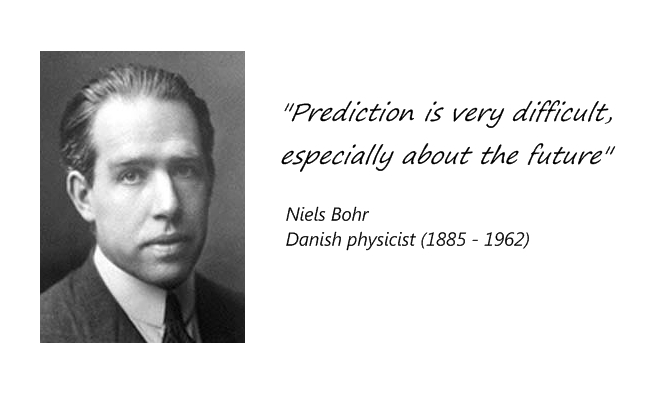
The truth of this quote is obvious. Simple but obvious. The fact that someone of the intellect of Niels Bohr felt the need to state it is almost as important as the quote itself. People are forever trying to get ahead. To understand and create their idea, strategy or object that will change the world. The problem is that their prediction is based on the past. It has to be. It is all we have. Our predictions are based in perception of fact. Facts tinged with belief and shaped by an ever changing view of the future. This creates an environment of almost constant change and a belief that new must be better. An impatient world.
In sport and coaching patience is a decreasing virtue. We see it in football management. We see it in youth development. People discarded because their time is up. Their chance exhausted. In management that decision is made on strong evidence about the past. Results. With young players decisions are based on prediction.

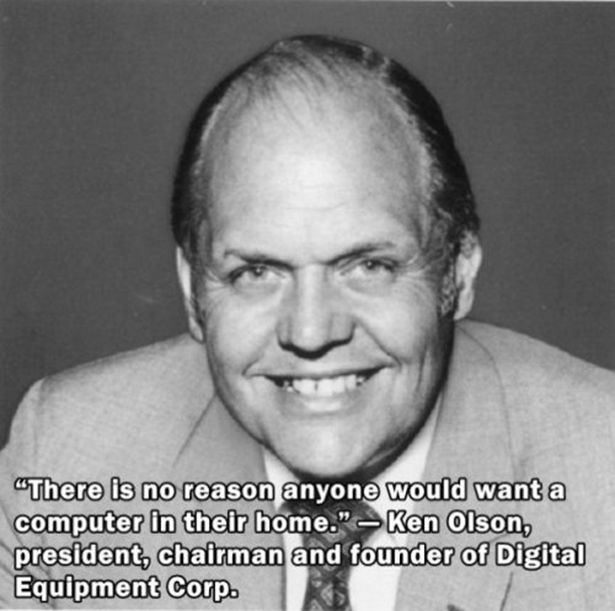

Predictions can be wrong. Very wrong.
Experienced and inexperienced coaches alike are fully aware that their predictions can be wrong. All they need to do is review one of their sessions to see it. You plan based on the evidence you have seen. Be it a previous result or individual performance. You predict that by working on this you will achieve improvements that will allow you to win in the future. Another prediction that is often wrong. It has to be otherwise every team and player would win every week and we know that is simply not the way sport works.
We then watch on as our carefully prepared plan does not come out in the way we imagined it. Our prediction was wrong.
Or was it?
With guidance. With assistance. With patience. What for five to ten minutes was an epic struggle becomes a floundering inconsistency. Then the shoots bloom and blossom. Finally success has been achieved and then, if we have that little piece of fortune, lessons have been learned. The early struggle lays the pathway for eventual success.
With patience.
The Decca rejection of The Beatles is probably the most used example of people getting things spectacularly wrong. However it is accepted by many Beatles historians that although it was a long term financial error at the time they were not superstars. There were few signs of what they would become. The Beatles were in a period of floundering inconsistency. Their struggle shaping them and their lessons being learned. It was not a lot longer until they would be ready, but at that moment they were not.

In May 2013 Jamie Vardy and Harry Kane sat upon the Leicester City bench. Both unused substitutes. Kane on loan from Tottenham had been involved with England U-21s but was not considered a candidate for the Spurs first team. Vardy had been signed for £1million from then conference side Fleetwood Town. Still in his first season with Leicester the striker, already in his mid 20s, was in and out of the side.
Football likes it’s players to burst on to the scene. To see a galloping Michael Owen at 18 years old tormenting Argentine defenders. A young Wayne Rooney firing in off the bar against Arsenal. Messi dribbling though La Liga defences before he is old enough to vote. Pele inspiring Brazil to World Cup victory as a 17 year old. The list can go on and on. Kane and Vardy were on a different path.
Move forward to the 2015/16 season. Kane and Vardy were the top two English goal scorers in the Premier League. Now aged 22 and 29 they are both likely to feature heavily at Euro 2016. Both have taken time to mature. Kane longer than the expected, anticipated, curve. Vardy considerably later in his career.
Over in Spain Aritz Aduritz has made the English pair look like teenage terrors. At the start of the 2016/17 season Aduritz was 34, his birthday looming in February, he would be 35 before the European Championships began. In the previous season he netted a career high 26 goals in all competitions. He started the season with a hat trick against Barcelona in the Supercopa. He would finish the season with 36 goals in all competitions, smashing past his career best tally at an age were many retire or consider a final pay day in a cash rich league. Aduriz joined Bilbao for the second time in 2012 age 31. In the four subsequent seasons he has scored over half of his career total goals.
Patience.
It is not a modern phenomena. In 1966 a 31 year old full back joined Manchester City from Plymouth Argyle. Two seasons later Tony Book captained Manchester City to the league title. A further two seasons and he would win the European Cup Winners Cup having won the FA Cup the previous season. Book would retire in 1974 eight years after signing.
Was a mistake made with each of these players and the many others like them? Or were they simply not ready? Did they need the years of struggle to shape their skills or just the benefits that maturity brings?

Everyone is different. Everyone has their own needs. Their own motivations. Their learning triggers. Their own rate of development. The coaching courses of the last decade plus have hammered home these points. Yet the focus only seems to be on the years up to what might be termed physical maturity. We have been presented with evidence that development never stops. That certain players will actually develop when in to a phase of their career when people might be encouraging them to give up.
The hundreds and hundreds of players released from academies should not believe that it over. The Peterborough model has shown that players in their early 20s can come from semi professional and conference football in to the Football League and have success. Even onto the Premier League and international football, like Vardy and Rickie Lambert.
Similarly the game should not give up on those it lets go. Like The Beatles they may not quite be ready. They may need season after season on loan like Harry Kane to learn their lessons. Some might argue that they should not be let go at all, but then the path for others would be blocked. That opportunity to be shaped by experiences would also be lost.
Patience is key. Players have to be patient with themselves while maintaining self belief. Easier said than done but having examples out there, out there right now, is psychologically significant. Coaches need to be patient and remember the non linear nature of development actually applies to players of all ages. Finally the game needs to be patient, knowing that keeping doors open will be of greater benefit than slamming them shut.